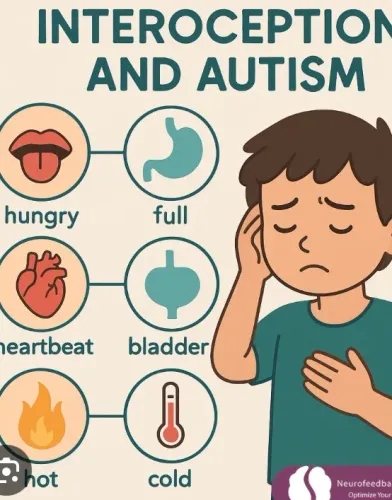
Behavior modification for Autism Spectrum Disorder (ASD) involves evidence-based techniques to encourage positive behaviors and reduce challenging ones, often improving communication, social skills, and daily functioning.
## Key Approaches
Applied Behavior Analysis (ABA) is the most widely used method, breaking skills into small steps with positive reinforcement to promote desired behaviors while tracking progress.
Pivotal Response Treatment (PRT) targets "pivotal" areas like motivation and communication initiation, often practiced at home and in natural settings for broader gains.
Other strategies include Functional Communication Training, teaching alternatives to problem behaviors (e.g., saying "break" instead of tantrums), and distraction-redirection to avoid direct "no" commands.
## Common Strategies
- **Prevention and Replacement**: Identify triggers (e.g., sensory overload) and teach functional skills like waiting or using picture aids.
- **Positive Behavioral Support (PBS)**: Adjust environments to reinforce appropriate actions and understand behavior causes.
- **Daily Techniques**: Use visual timers, calming tools like headphones, or rapport-building for stimming and meltdowns without suppression if harmless.
## Implementation Tips
Consistency across home, school, and therapy is crucial, with parental involvement enhancing outcomes like reduced stereotypic behaviors. Early intervention, such as Early Intensive Behavioral Intervention (EIBI), shows strong results in young children. Progress requires measuring responses and fading prompts gradually.
## Key Approaches
Applied Behavior Analysis (ABA) is the most widely used method, breaking skills into small steps with positive reinforcement to promote desired behaviors while tracking progress.
Pivotal Response Treatment (PRT) targets "pivotal" areas like motivation and communication initiation, often practiced at home and in natural settings for broader gains.
Other strategies include Functional Communication Training, teaching alternatives to problem behaviors (e.g., saying "break" instead of tantrums), and distraction-redirection to avoid direct "no" commands.
## Common Strategies
- **Prevention and Replacement**: Identify triggers (e.g., sensory overload) and teach functional skills like waiting or using picture aids.
- **Positive Behavioral Support (PBS)**: Adjust environments to reinforce appropriate actions and understand behavior causes.
- **Daily Techniques**: Use visual timers, calming tools like headphones, or rapport-building for stimming and meltdowns without suppression if harmless.
## Implementation Tips
Consistency across home, school, and therapy is crucial, with parental involvement enhancing outcomes like reduced stereotypic behaviors. Early intervention, such as Early Intensive Behavioral Intervention (EIBI), shows strong results in young children. Progress requires measuring responses and fading prompts gradually.
Keywords