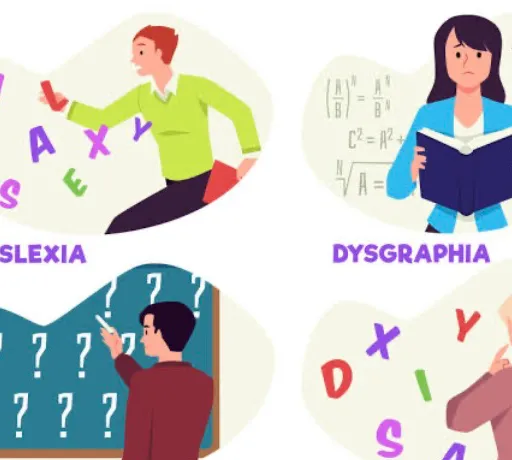
Dysgraphia mainly affects **writing**, while dyslexia mainly affects **reading**. They can overlap, so a person may have trouble with both at the same time.
## Main difference
- Dysgraphia: difficulty with the physical act of writing, such as handwriting, spacing, spelling, grammar, and putting thoughts on paper.
- Dyslexia: difficulty with reading and decoding words, and it can also affect spelling and written language.
## Common signs
- Dysgraphia often shows up as messy or slow handwriting, poor spacing, trouble gripping a pencil, and difficulty organizing written sentences.
- Dyslexia often shows up as trouble sounding out words, remembering sight words, reading aloud, and understanding what was read.
## Overlap
Both conditions can affect spelling and written work, which is why they’re sometimes confused. They also often occur together.
## Simple way to remember
- Reading problem first: think **dyslexia**.
- Writing-handwriting problem first: think **dysgraphia**.
A proper evaluation is important because the support strategies are different, especially for reading instruction versus writing and motor support.
## Main difference
- Dysgraphia: difficulty with the physical act of writing, such as handwriting, spacing, spelling, grammar, and putting thoughts on paper.
- Dyslexia: difficulty with reading and decoding words, and it can also affect spelling and written language.
## Common signs
- Dysgraphia often shows up as messy or slow handwriting, poor spacing, trouble gripping a pencil, and difficulty organizing written sentences.
- Dyslexia often shows up as trouble sounding out words, remembering sight words, reading aloud, and understanding what was read.
## Overlap
Both conditions can affect spelling and written work, which is why they’re sometimes confused. They also often occur together.
## Simple way to remember
- Reading problem first: think **dyslexia**.
- Writing-handwriting problem first: think **dysgraphia**.
A proper evaluation is important because the support strategies are different, especially for reading instruction versus writing and motor support.
Keywords