Occupational therapy (OT) is often essential for individuals with autism spectrum disorder (ASD) to address sensory processing differences, motor skill challenges, and daily living difficulties that can hinder independence and learning.
## Sensory Processing Support
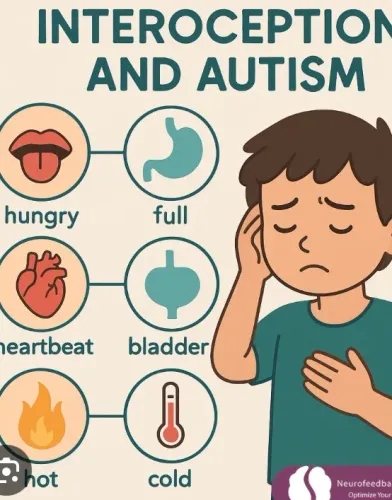
Many autistic children experience sensory overload or under-responsiveness, where everyday stimuli like noise or textures become overwhelming or unfiltered. OT helps by providing targeted activities—such as deep pressure exercises, swinging, or weighted tools—to regulate the nervous system, reduce anxiety, and improve focus.
## Motor and Coordination Skills
Challenges with fine motor skills (e.g., handwriting, buttoning clothes) and gross motor coordination are common in autism. Therapists use play-based interventions like balancing tasks or juggling to enhance posture, planning, and hand-eye coordination, boosting school performance and self-care.
## Daily Living Independence
OT targets practical skills for self-care (dressing, eating), social participation, and emotional regulation. Research shows early OT improves sensory integration, social skills, and language use, with benefits most pronounced initially but requiring ongoing support.
## Sensory Processing Support
Many autistic children experience sensory overload or under-responsiveness, where everyday stimuli like noise or textures become overwhelming or unfiltered. OT helps by providing targeted activities—such as deep pressure exercises, swinging, or weighted tools—to regulate the nervous system, reduce anxiety, and improve focus.
## Motor and Coordination Skills
Challenges with fine motor skills (e.g., handwriting, buttoning clothes) and gross motor coordination are common in autism. Therapists use play-based interventions like balancing tasks or juggling to enhance posture, planning, and hand-eye coordination, boosting school performance and self-care.
## Daily Living Independence
OT targets practical skills for self-care (dressing, eating), social participation, and emotional regulation. Research shows early OT improves sensory integration, social skills, and language use, with benefits most pronounced initially but requiring ongoing support.
Keywords