Drooling, or sialorrhea, is common in children with developmental delays, affecting 10%-37% overall and up to 58% of those with cerebral palsy.
## Common Causes
Low muscle tone around the mouth and throat impairs swallowing and lip closure.
Delays in oral-motor control, like poor tongue coordination or infrequent swallowing, contribute significantly.
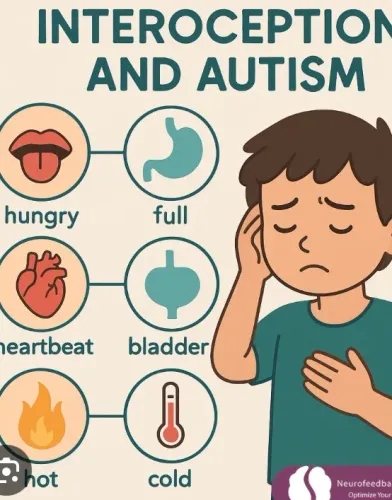
Conditions such as Down syndrome or autism often involve sensory issues or open-mouth posture that worsens it.
## Associated Risks
Excessive drooling leads to skin irritation, infections, dehydration, and higher risk of aspiration pneumonia.
Socially, it causes embarrassment, frequent clothing changes, and barriers to independence
## Management Strategies
Behavioral interventions like prompting, reinforcement, and self-management show promise in reducing drooling frequency.
Oral medications such as glycopyrrolate can improve symptoms within weeks, with high parent satisfaction.
## Common Causes
Low muscle tone around the mouth and throat impairs swallowing and lip closure.
Delays in oral-motor control, like poor tongue coordination or infrequent swallowing, contribute significantly.
Conditions such as Down syndrome or autism often involve sensory issues or open-mouth posture that worsens it.
## Associated Risks
Excessive drooling leads to skin irritation, infections, dehydration, and higher risk of aspiration pneumonia.
Socially, it causes embarrassment, frequent clothing changes, and barriers to independence
## Management Strategies
Behavioral interventions like prompting, reinforcement, and self-management show promise in reducing drooling frequency.
Oral medications such as glycopyrrolate can improve symptoms within weeks, with high parent satisfaction.
Keywords