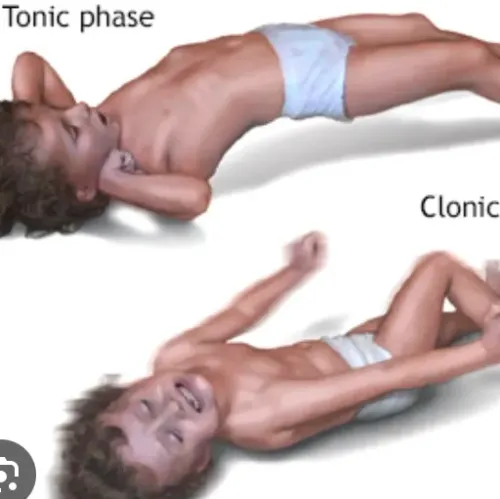
Seizure disorder, also known as epilepsy, involves recurrent unprovoked seizures due to disrupted electrical activity in the brain. About 2% of adults experience a seizure at some point, but epilepsy requires two or more without an obvious trigger. Symptoms vary from staring spells to convulsions and loss of consciousness.
## Types
Seizures divide into epileptic (unprovoked, defining epilepsy) and nonepileptic (triggered by factors like fever or injury). Psychogenic nonepileptic seizures mimic seizures but stem from psychological causes. Focal seizures affect one brain area, while generalized ones involve both sides.
## Causes
Common triggers include head injuries, strokes, tumors, infections, or metabolic issues like low blood sugar. In children, high fevers or birth defects play roles; in adults, alcohol withdrawal or unknown factors predominate. Stress, sleep deprivation, or flashing lights can provoke seizures in susceptible people.
## Diagnosis
Doctors use symptoms, brain imaging, blood tests, and EEG to record electrical activity and pinpoint causes. One seizure does not confirm epilepsy; recurrence without provocation does. Ruling out mimics like syncope is essential.
## Types
Seizures divide into epileptic (unprovoked, defining epilepsy) and nonepileptic (triggered by factors like fever or injury). Psychogenic nonepileptic seizures mimic seizures but stem from psychological causes. Focal seizures affect one brain area, while generalized ones involve both sides.
## Causes
Common triggers include head injuries, strokes, tumors, infections, or metabolic issues like low blood sugar. In children, high fevers or birth defects play roles; in adults, alcohol withdrawal or unknown factors predominate. Stress, sleep deprivation, or flashing lights can provoke seizures in susceptible people.
## Diagnosis
Doctors use symptoms, brain imaging, blood tests, and EEG to record electrical activity and pinpoint causes. One seizure does not confirm epilepsy; recurrence without provocation does. Ruling out mimics like syncope is essential.
Keywords