Anxiety is extremely common in autistic children and adults and can significantly affect daily life, but there are evidence‑based ways to understand and support it. It often looks different from “typical” anxiety, which means it can be missed or misunderstood.
## How common and why it happens
- Studies suggest around 40–50% of autistic young people meet criteria for at least one anxiety disorder, compared with much lower rates in non‑autistic peers. Many more have significant anxiety symptoms that still affect functioning.
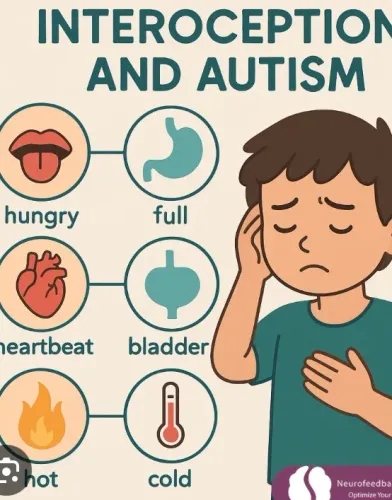
- Factors that increase anxiety in autism include sensory overload, difficulty with uncertainty and change, social communication differences, past negative experiences (e.g., bullying), and trouble identifying or describing internal feelings (alexithymia).
## How anxiety may look in autism
Anxiety may not always show up as talking about worries. Instead, it can appear as changes in behavior, mood, or physical state.
- Common signs include meltdowns or shutdowns, increased repetitive behaviors or “stimming, ” avoidance (e.g., refusing school), asking for constant reassurance, and physical symptoms like stomach aches or sleep problems.
- Specific phobias, social anxiety, and OCD‑like symptoms are particularly frequent in autistic people, and anxiety can also be closely tied to sensory triggers and need for sameness.
## How common and why it happens
- Studies suggest around 40–50% of autistic young people meet criteria for at least one anxiety disorder, compared with much lower rates in non‑autistic peers. Many more have significant anxiety symptoms that still affect functioning.
- Factors that increase anxiety in autism include sensory overload, difficulty with uncertainty and change, social communication differences, past negative experiences (e.g., bullying), and trouble identifying or describing internal feelings (alexithymia).
## How anxiety may look in autism
Anxiety may not always show up as talking about worries. Instead, it can appear as changes in behavior, mood, or physical state.
- Common signs include meltdowns or shutdowns, increased repetitive behaviors or “stimming, ” avoidance (e.g., refusing school), asking for constant reassurance, and physical symptoms like stomach aches or sleep problems.
- Specific phobias, social anxiety, and OCD‑like symptoms are particularly frequent in autistic people, and anxiety can also be closely tied to sensory triggers and need for sameness.
Keywords