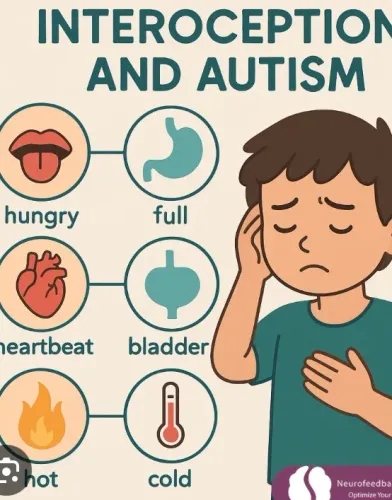
Tactile hyposensitivity is a sensory processing difference where individuals have reduced sensitivity to touch stimuli, often requiring more intense or frequent tactile input to register sensations comfortably. This condition leads to challenges in perceiving textures, temperatures, pressure, or light contact, making everyday interactions feel muted or unnoticed.
## Key Symptoms
Common signs include a strong craving for touch, such as frequently touching objects, people, or surfaces, and a high pain tolerance that may result in unnoticed injuries or self-injurious behaviors like biting or head-banging. Affected individuals might put non-food items in their mouth for better tactile feedback, appear clumsy when handling others due to excessive force, or fail to notice dirt on their hands or face.
## Associated Conditions
Tactile hyposensitivity frequently occurs in autism spectrum disorder (ASD) and sensory processing disorder (SPD), though it can stem from other neurological issues, pervasive developmental disorders, or traumatic brain injuries. Unlike tactile hypersensitivity (over-sensitivity to touch), hyposensitivity prompts seeking out intense stimuli rather than avoidance. Management often involves sensory integration strategies, like providing deep pressure activities for safe stimulation.
## Key Symptoms
Common signs include a strong craving for touch, such as frequently touching objects, people, or surfaces, and a high pain tolerance that may result in unnoticed injuries or self-injurious behaviors like biting or head-banging. Affected individuals might put non-food items in their mouth for better tactile feedback, appear clumsy when handling others due to excessive force, or fail to notice dirt on their hands or face.
## Associated Conditions
Tactile hyposensitivity frequently occurs in autism spectrum disorder (ASD) and sensory processing disorder (SPD), though it can stem from other neurological issues, pervasive developmental disorders, or traumatic brain injuries. Unlike tactile hypersensitivity (over-sensitivity to touch), hyposensitivity prompts seeking out intense stimuli rather than avoidance. Management often involves sensory integration strategies, like providing deep pressure activities for safe stimulation.
Keywords