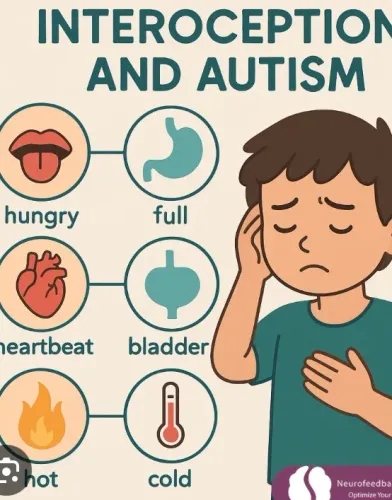
Auditory hypersensitivity, often called hyperacusis, is a common sensory issue in autism spectrum disorder (ASD), where everyday sounds feel painfully loud or overwhelming.
## Prevalence
Around 18-40% of children with ASD experience this sensitivity, with parental reports showing up to 67% noting behaviors like covering ears. It often appears early and can disrupt sleep, focus, and social interactions.
## Causes
It stems from altered auditory processing, including lower loudness discomfort thresholds despite normal hearing, heightened inner ear sensitivity, and issues with middle ear muscle regulation. Brain pathway differences, like in fragile X syndrome (a common ASD genetic link), amplify reactions to moderate sounds.
## Impacts
Affected individuals may cry, flee, or act irritably in noisy settings, hindering speech comprehension, learning, and daily function. It worsens in background noise, contributing to communication challenges.
## Management
Interventions like the Listening Project Protocol use filtered music to retrain middle ear responses and reduce sensitivity. Other approaches include noise-canceling tools, gradual exposure therapy, and addressing co-occurring auditory processing disorders.
## Prevalence
Around 18-40% of children with ASD experience this sensitivity, with parental reports showing up to 67% noting behaviors like covering ears. It often appears early and can disrupt sleep, focus, and social interactions.
## Causes
It stems from altered auditory processing, including lower loudness discomfort thresholds despite normal hearing, heightened inner ear sensitivity, and issues with middle ear muscle regulation. Brain pathway differences, like in fragile X syndrome (a common ASD genetic link), amplify reactions to moderate sounds.
## Impacts
Affected individuals may cry, flee, or act irritably in noisy settings, hindering speech comprehension, learning, and daily function. It worsens in background noise, contributing to communication challenges.
## Management
Interventions like the Listening Project Protocol use filtered music to retrain middle ear responses and reduce sensitivity. Other approaches include noise-canceling tools, gradual exposure therapy, and addressing co-occurring auditory processing disorders.
Keywords