Improving speech in children with autism often requires a mix of structured therapy, play‑based practice, and consistent home support. The key is to work at the child’s level (even if they are non‑verbal at first) and build from sounds, gestures, and pictures toward words and sentences.
### 1. Get professional help
- Start with a speech‑language pathologist (SLP) who has experience in autism; they can assess your child and design individual goals.
- Many centres also use oral‑motor exercises (lip, tongue, jaw) to make speech clearer if the child has difficulty with articulation.
### 2. Use simple, clear language
- Speak in short phrases that are just “one step ahead” of what your child is using (for example, if they say “ball, ” you say “roll ball”).
- Highlight key words, slow down, and repeat important words during daily routines (bath, food, play).
### 3. Follow the child’s interests
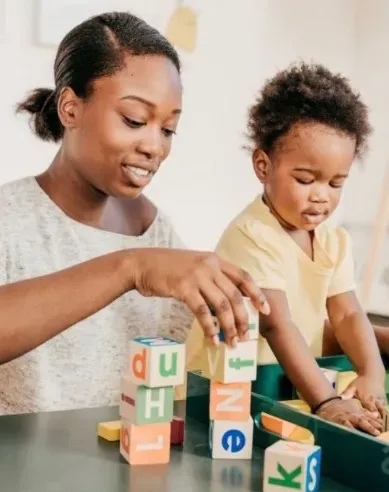
- Join the child in activities they love (trains, bubbles, music) and comment on what they are doing (“Spin train!” or “More bubbles!”).
- Interest‑driven play increases motivation to imitate sounds and words because the child wants the object or action to continue.
### 4. Encourage play and interaction
- Use turn‑taking games, songs with pauses, and nursery rhymes so the child gets used to waiting and responding.
- Imitate the child’s sounds and actions, then gradually add a simple word (“Brrr‑brrr… car!”) to model language.
### 5. Use visuals and gestures
- Picture cards, PECS (Picture Exchange Communication System), or simple sign language can help non‑verbal or late‑talking children express wants before full speech develops.
- Pair gestures (pointing, clapping) with words and pause to give the child time to try to copy or respond.
### 6. Create communication opportunities
- Offer limited choices (“banana or grapes?”) so the child has to signal or attempt a word to get what they want.
- Delay giving items slightly so the child learns that communicating (sound, gesture, picture) leads to results.
### 7. Practice at home every day
- Use familiar routines (meals, dressing, bath) to repeat key words and phrases consistently.
- Praise any attempt to communicate (even a sound or gesture) so the child feels successful and wants to try again.
### 1. Get professional help
- Start with a speech‑language pathologist (SLP) who has experience in autism; they can assess your child and design individual goals.
- Many centres also use oral‑motor exercises (lip, tongue, jaw) to make speech clearer if the child has difficulty with articulation.
### 2. Use simple, clear language
- Speak in short phrases that are just “one step ahead” of what your child is using (for example, if they say “ball, ” you say “roll ball”).
- Highlight key words, slow down, and repeat important words during daily routines (bath, food, play).
### 3. Follow the child’s interests
- Join the child in activities they love (trains, bubbles, music) and comment on what they are doing (“Spin train!” or “More bubbles!”).
- Interest‑driven play increases motivation to imitate sounds and words because the child wants the object or action to continue.
### 4. Encourage play and interaction
- Use turn‑taking games, songs with pauses, and nursery rhymes so the child gets used to waiting and responding.
- Imitate the child’s sounds and actions, then gradually add a simple word (“Brrr‑brrr… car!”) to model language.
### 5. Use visuals and gestures
- Picture cards, PECS (Picture Exchange Communication System), or simple sign language can help non‑verbal or late‑talking children express wants before full speech develops.
- Pair gestures (pointing, clapping) with words and pause to give the child time to try to copy or respond.
### 6. Create communication opportunities
- Offer limited choices (“banana or grapes?”) so the child has to signal or attempt a word to get what they want.
- Delay giving items slightly so the child learns that communicating (sound, gesture, picture) leads to results.
### 7. Practice at home every day
- Use familiar routines (meals, dressing, bath) to repeat key words and phrases consistently.
- Praise any attempt to communicate (even a sound or gesture) so the child feels successful and wants to try again.
Keywords