⸻
⭐ What is Asperger’s Syndrome?
Asperger’s Syndrome is a neurodevelopmental condition where the child has:
• Good speech development
• Good intelligence
• Difficulty with social interaction, communication, and flexibility
• Repetitive behaviors or intense interests
It is now medically grouped under ASD Level 1 (High-Functioning Autism).
⸻
⭐ Core Features of Asperger’s Syndrome
1️⃣ Social Interaction Difficulties
• Limited eye contact
• Difficulty understanding social rules (sharing, waiting, greetings)
• Prefers to play alone
• Difficulty making or keeping friends
• Difficulty understanding other people’s feelings
⸻
2️⃣ Communication Differences
• Speech may be clear but:
• Monotonous tone
• Repetitive talking
• Focus on one topic
• Difficulty understanding jokes, sarcasm, expressions
⸻
3️⃣ Behavior & Interests
• Strong, intense interests (trains, planets, numbers, maps, dinosaurs)
• Follows routines strictly
• Gets upset with small changes
• Repetitive behaviors (hand movements, pacing, lining up items)
⸻
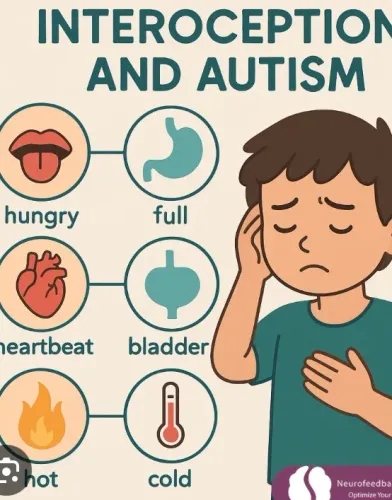
4️⃣ Sensory Issues
• Over- or under-sensitivity to:
• Lights
• Sounds
• Touch
• Smell
• Textures
• Movement
• Dislikes certain clothes, foods, or environments
⸻
5️⃣ Emotional & Behavioral Features
• Meltdowns due to sensory overload
• Difficulty managing emotions
• Anxiety
• Rigid thinking
• Difficulty with transitions
⸻
⭐ Strengths in Asperger’s
Many children and adults show strong abilities:
• Excellent memory
• High focus
• Good logical thinking
• Deep knowledge in chosen interests
• Honest and detail-oriented
• Good at maths, tech, drawing, coding, or structure-based work
⸻
⭐ Causes
There is no single cause. Known factors include:
• Genetics
• Brain development differences
• Prenatal influences
Not caused by parenting or environment.
⸻
⭐ Diagnosis
Usually done by:
• Developmental paediatrician
• Child psychiatrist
• Clinical psychologist
Evaluation includes:
• Behaviour observation
• Social communication assessment
• Sensory profile
• Cognitive or learning evaluation
⸻
⭐ Therapies That Help
1. Occupational Therapy (OT)
• Sensory integration
• Social skills play
• Improving flexibility
• Emotional regulation
2. Speech & Communication Therapy
• Social communication
• Conversational skills
• Eye-contact and turn-taking
• Understanding gestures & expressions
3. Behaviour Therapy
• ABA-based interventions
• Meltdown management
• Reducing rigidity
• Increasing social adaptability
4. Special Education or Cognitive Training
• Understanding concepts
• Improving learning strategies
5. Social Skills Training
• Group or individual
• Peer interaction practice
⸻
⭐ Home Strategies for Parents
• Maintain predictable routine
• Prepare child for changes
• Use visual schedules
• Practice eye contact through games
• Teach feelings using pictures
• Reduce sensory overload
• Encourage structured play
• Support their interests
⸻
Keywords