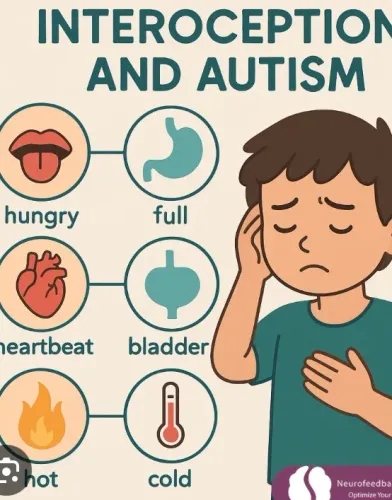
Developmental Delay in a Child –
Developmental delay means a child is not reaching expected milestones at the usual age. This can affect one or more areas of development:
⸻
⭐ Types of Developmental Delay
1. Gross Motor Delay
(Using large muscles)
• Late sitting
• Late crawling
• Late walking
• Poor balance
• Frequent falls
2. Fine Motor Delay
(Hand and finger skills)
• Difficulty holding toys
• Poor grip
• Trouble with drawing, using crayons
• Difficulty picking small objects
3. Speech & Language Delay
• Not babbling by 12 months
• No meaningful words by 18 months
• Poor sentence formation
• Difficulty understanding instructions
4. Cognitive Delay
(Thinking, learning, problem-solving)
• Difficulty understanding concepts
• Poor memory
• Slow learning
• Difficulty in pretend play
5. Social & Emotional Delay
• Limited eye contact
• Not playing with others
• Difficulty expressing emotions
• Poor interaction
6. Adaptive -Daily Living Skills Delay
• Difficulty feeding
• Poor dressing skills
• Late toilet training
⸻
⭐ Common Causes of Developmental Delay
• Genetic conditions (Down syndrome, Fragile X)
• Prematurity
• Birth injury
• Lack of oxygen at birth
• Infections during pregnancy
• Nutritional deficiencies
• Autism spectrum disorder
• Neurological issues
• Environmental factors (poor stimulation)
⸻
⭐ Warning Signs to Watch For
• No social smile by 3 months
• Poor head control by 4 months
• Not sitting by 9 months
• Not walking by 18 months
• No words by 2 years
• Not responding to name
• Poor eye contact
• Regression (child loses skills they already had – this is urgent)
⸻
⭐ Therapies That Help
1. Occupational Therapy – motor skills, sensory issues, daily living skills
2. Physiotherapy – muscle strength, posture, walking
3. Speech Therapy – vocabulary, communication
4. Special Education – cognitive skills
5. Early Intervention Program (EIP) – the most important step
⸻
⭐ What Parents Can Do at Home
• Lots of floor play
• Reduce screen time
• Talk to the child frequently
• Read picture books
• Sensory play (sand, water, textures)
• Strengthening and balance exercises
• Consistent routine
⸻
⭐ Prognosis
Early identification + early therapy = very good improvement.
The earlier you start, the better the child develops.
⸻
Developmental delay means a child is not reaching expected milestones at the usual age. This can affect one or more areas of development:
⸻
⭐ Types of Developmental Delay
1. Gross Motor Delay
(Using large muscles)
• Late sitting
• Late crawling
• Late walking
• Poor balance
• Frequent falls
2. Fine Motor Delay
(Hand and finger skills)
• Difficulty holding toys
• Poor grip
• Trouble with drawing, using crayons
• Difficulty picking small objects
3. Speech & Language Delay
• Not babbling by 12 months
• No meaningful words by 18 months
• Poor sentence formation
• Difficulty understanding instructions
4. Cognitive Delay
(Thinking, learning, problem-solving)
• Difficulty understanding concepts
• Poor memory
• Slow learning
• Difficulty in pretend play
5. Social & Emotional Delay
• Limited eye contact
• Not playing with others
• Difficulty expressing emotions
• Poor interaction
6. Adaptive -Daily Living Skills Delay
• Difficulty feeding
• Poor dressing skills
• Late toilet training
⸻
⭐ Common Causes of Developmental Delay
• Genetic conditions (Down syndrome, Fragile X)
• Prematurity
• Birth injury
• Lack of oxygen at birth
• Infections during pregnancy
• Nutritional deficiencies
• Autism spectrum disorder
• Neurological issues
• Environmental factors (poor stimulation)
⸻
⭐ Warning Signs to Watch For
• No social smile by 3 months
• Poor head control by 4 months
• Not sitting by 9 months
• Not walking by 18 months
• No words by 2 years
• Not responding to name
• Poor eye contact
• Regression (child loses skills they already had – this is urgent)
⸻
⭐ Therapies That Help
1. Occupational Therapy – motor skills, sensory issues, daily living skills
2. Physiotherapy – muscle strength, posture, walking
3. Speech Therapy – vocabulary, communication
4. Special Education – cognitive skills
5. Early Intervention Program (EIP) – the most important step
⸻
⭐ What Parents Can Do at Home
• Lots of floor play
• Reduce screen time
• Talk to the child frequently
• Read picture books
• Sensory play (sand, water, textures)
• Strengthening and balance exercises
• Consistent routine
⸻
⭐ Prognosis
Early identification + early therapy = very good improvement.
The earlier you start, the better the child develops.
⸻
Keywords