Sensory memory in psychology is usually described in five types, one for each sense: **iconic** (vision), **echoic** (hearing), **haptic** (touch), **olfactory** (smell), and **gustatory** (taste). It briefly holds incoming sensory information for just a moment before most of it fades or gets passed on for further processing.
## Main types
- **Iconic memory**: very brief visual memory for what you see.
- **Echoic memory**: brief auditory memory for what you hear.
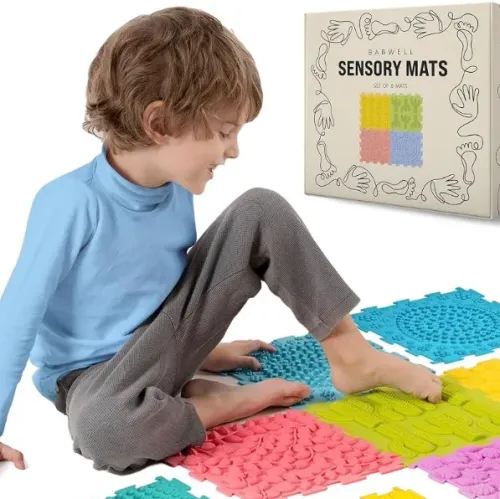
- **Haptic memory**: brief memory related to touch, pressure, pain, or texture.
- **Olfactory memory**: brief memory for smells.
- **Gustatory memory**: brief memory for tastes.
## Why it matters
Sensory memory acts like a quick buffer that lets your brain register the world around you before deciding what to pay attention to. It is the first stage of memory processing and usually lasts only a very short time.
A simple example is hearing someone say your name in a noisy room: the sound first enters echoic memory, giving your brain a chance to recognize and focus on it.
## Main types
- **Iconic memory**: very brief visual memory for what you see.
- **Echoic memory**: brief auditory memory for what you hear.
- **Haptic memory**: brief memory related to touch, pressure, pain, or texture.
- **Olfactory memory**: brief memory for smells.
- **Gustatory memory**: brief memory for tastes.
## Why it matters
Sensory memory acts like a quick buffer that lets your brain register the world around you before deciding what to pay attention to. It is the first stage of memory processing and usually lasts only a very short time.
A simple example is hearing someone say your name in a noisy room: the sound first enters echoic memory, giving your brain a chance to recognize and focus on it.
Keywords