Occupational Therapy for Children: Nurturing Growth and Independence
Occupational therapy (OT) for children, often called pediatric occupational therapy, plays a crucial role in helping young individuals develop the skills they need to navigate their daily lives with greater independence and confidence. It's a holistic approach that addresses a wide range of challenges, from fine motor skills essential for writing to sensory processing and social interactions.
How Pediatric Occupational Therapy Helps Children:
Occupational therapists work with children to improve their ability to perform everyday tasks. This can include:
- Developing Fine Motor Skills: Crucial for tasks like writing, using scissors, buttoning clothes, and feeding themselves. Therapists use activities like stringing beads, peeling stickers, playing with playdough, and using tweezers to pick up small objects to strengthen these small hand muscles and improve dexterity.
- Enhancing Gross Motor Skills: These involve larger movements like running, jumping, climbing, and balancing. Activities like obstacle courses, animal walks, and playing with therapy balls help children improve coordination, balance, and overall physical capability.
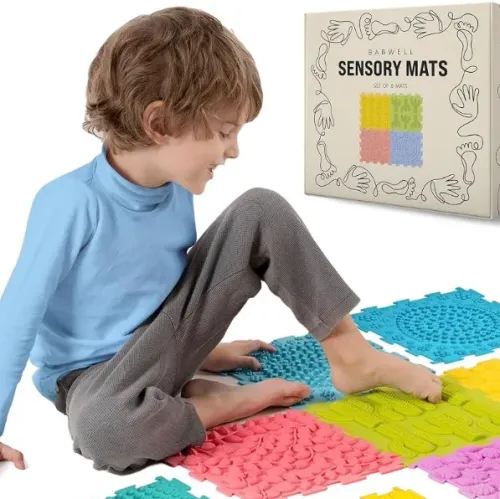
- Supporting Sensory Processing: Many children have difficulties processing sensory information (sight, sound, touch, movement). OT helps them learn to manage sensory input through techniques like sensory integration, using weighted blankets, noise-canceling headphones, or exploring different textures in sensory bins.
- Improving Cognitive and Executive Functioning Skills: This includes developing attention, focus, planning, organization, and problem-solving abilities. Games, puzzles, and structured tasks help children improve their ability to follow directions, complete tasks, and manage their schoolwork.
- Fostering Social and Emotional Development: OT helps children learn social cues, understand emotions, manage frustration, and interact positively with peers. Group activities, role-playing, and practicing social skills in a safe environment are common strategies.
- Promoting Independence in Daily Living Skills (ADLs): This covers essential self-care tasks like dressing, grooming, bathing, and feeding themselves. Therapists break down these tasks into manageable steps and use adaptive strategies or equipment when needed.
- Supporting School Performance: By improving motor, cognitive, and sensory skills, OT can significantly enhance a child's ability to participate in classroom activities, complete assignments, and manage their behavior.
Who Can Benefit from Pediatric Occupational Therapy?
Children who may benefit from OT often face challenges related to:
- Developmental Delays: When a child is not meeting age-appropriate milestones in physical, cognitive, or social areas.
- Autism Spectrum Disorder (ASD): To help with social communication, sensory processing, and daily living skills.
- Sensory Processing Disorders (SPD): To help children better manage sensory input.
- Learning Disabilities: To improve fine motor skills, organization, and classroom participation.
- Attention-Deficit/Hyperactivity Disorder (ADHD): To enhance focus, self-regulation, and organizational skills.
- Physical Disabilities: Such as Cerebral Palsy, to improve motor function and independence.
- Traumatic Injuries: Like brain or spinal cord injuries, to help regain lost skills.
Activities in Occupational Therapy:
Pediatric occupational therapy is often play-based, making therapy fun and engaging for children. Examples of activities include:
- Sensory Play: Using playdough, slime, sandboxes, or water tables to explore textures and develop fine motor skills.
- Obstacle Courses: Designed to challenge gross motor skills, balance, and coordination.
- Arts and Crafts: Activities like painting, drawing, tearing paper, or using stickers to improve fine motor control and creativity.
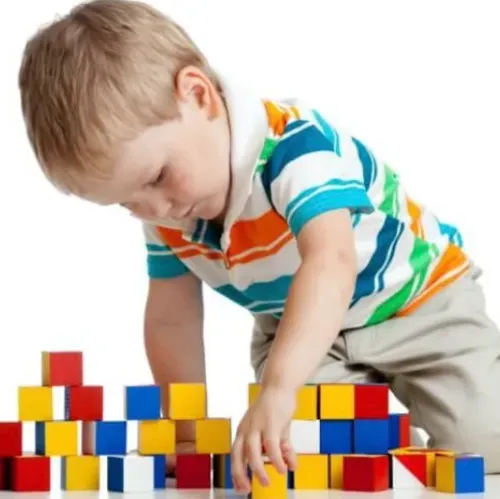
- Puzzles and Building Toys: Enhancing problem-solving, spatial reasoning, and fine motor dexterity.
- Cooking and Baking: Simple tasks like measuring, mixing, and pouring to develop fine motor skills and following instructions.
- Therapy Balls and Swings: For vestibular and sensory input, improving balance and body awareness.
- Pretend Play: Encouraging social interaction, communication, and emotional regulation.
Finding Occupational Therapy in Valasaravakkam, Chennai:
Being a one of the leading occupational therapy Centre in Chennai, Brain Tree Child Development Centre located at Valasaravakkam is dedicated to helping your child build the essential skills they need to tackle challenges and live with greater independence and confidence.
Keywords