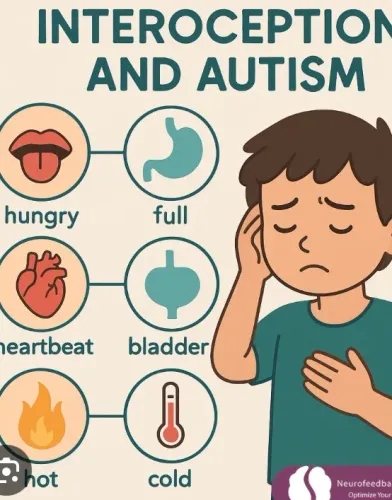
Mood swings in autistic children are quite common and can stem from several factors related to sensory, emotional, and communication challenges. Understanding the causes, signs, and management strategies helps caregivers and therapists support the child better.
⸻
🌈 Causes of Mood Swings in Autism
1. Sensory Overload or Under-stimulation
• Bright lights, loud noises, strong smells, or too much activity can overwhelm the child.
• Conversely, lack of sensory input may lead to frustration or restlessness.
2. Communication Difficulties
• When a child cannot express needs, discomfort, or emotions verbally, frustration builds up, leading to meltdowns or sudden emotional shifts.
3. Changes in Routine
• Unexpected changes in schedule, environment, or caregivers can trigger anxiety and mood shifts.
4. Difficulty in Emotional Regulation
• Many children with autism struggle to understand, label, or control emotions, which can result in rapid transitions from calm to upset or excited to withdrawn.
5. Fatigue, Hunger, or Pain
• Physical discomforts often go unexpressed but heavily affect mood and behavior.
6. Social Confusion or Rejection
• Misunderstanding social cues or experiencing exclusion can cause sadness, anger, or withdrawal.
⸻
⚠️ Common Signs of Mood Swings
• Sudden crying, laughing, or anger without a clear cause
• Increased self-stimulatory behaviors (hand flapping, pacing, humming)
• Avoidance of eye contact or retreating to quiet spaces
• Aggression or self-injurious behaviors during frustration
• Sleep pattern changes or irritability
⸻
🌿 Strategies to Manage Mood Swings
1. Identify Triggers
• Maintain a behavior and mood diary noting time, environment, activity, and preceding events.
• Helps identify sensory or emotional triggers.
2. Use Sensory Regulation Activities
• Provide calming sensory inputs like deep pressure, weighted blanket, or slow rocking.
• Offer movement breaks if they are sensory seekers (trampoline, swings, therapy ball).
3. Teach Emotional Awareness
• Use emotion cards, mirrors, or social stories to label feelings (“I feel angry, ” “I need help”).
• Introduce zones of regulation — color-coded emotional awareness system.
4. Maintain Predictable Routine
• Use visual schedules or picture timetables to show daily activities.
• Prepare the child before transitions (“In five minutes, we will go home”).
5. Communication Support
• For nonverbal children: use PECS (Picture Exchange Communication System) or AAC devices to reduce frustration.
• Encourage them to use signs or short words for basic needs (e.g., “stop, ” “break, ” “no”).
6. Provide Calm-down Corners
• A safe, quiet area with soft lighting, toys, or sensory items helps the child self-regulate.
7. Emotional Coping Techniques
• Teach deep breathing, counting to 10, or squeezing a stress ball.
• Role-play calm-down strategies during play sessions.
8. Positive Reinforcement
• Praise or reward calm behavior and self-regulation attempts.
• Use specific feedback: “You took deep breaths when you were upset — great job!”
9. Collaborate with Therapists
• Occupational therapy for sensory regulation.
• Speech therapy for communication enhancement.
• Behavioral therapy (ABA or CBT modifications) for coping strategies.
⸻
⸻
🌈 Causes of Mood Swings in Autism
1. Sensory Overload or Under-stimulation
• Bright lights, loud noises, strong smells, or too much activity can overwhelm the child.
• Conversely, lack of sensory input may lead to frustration or restlessness.
2. Communication Difficulties
• When a child cannot express needs, discomfort, or emotions verbally, frustration builds up, leading to meltdowns or sudden emotional shifts.
3. Changes in Routine
• Unexpected changes in schedule, environment, or caregivers can trigger anxiety and mood shifts.
4. Difficulty in Emotional Regulation
• Many children with autism struggle to understand, label, or control emotions, which can result in rapid transitions from calm to upset or excited to withdrawn.
5. Fatigue, Hunger, or Pain
• Physical discomforts often go unexpressed but heavily affect mood and behavior.
6. Social Confusion or Rejection
• Misunderstanding social cues or experiencing exclusion can cause sadness, anger, or withdrawal.
⸻
⚠️ Common Signs of Mood Swings
• Sudden crying, laughing, or anger without a clear cause
• Increased self-stimulatory behaviors (hand flapping, pacing, humming)
• Avoidance of eye contact or retreating to quiet spaces
• Aggression or self-injurious behaviors during frustration
• Sleep pattern changes or irritability
⸻
🌿 Strategies to Manage Mood Swings
1. Identify Triggers
• Maintain a behavior and mood diary noting time, environment, activity, and preceding events.
• Helps identify sensory or emotional triggers.
2. Use Sensory Regulation Activities
• Provide calming sensory inputs like deep pressure, weighted blanket, or slow rocking.
• Offer movement breaks if they are sensory seekers (trampoline, swings, therapy ball).
3. Teach Emotional Awareness
• Use emotion cards, mirrors, or social stories to label feelings (“I feel angry, ” “I need help”).
• Introduce zones of regulation — color-coded emotional awareness system.
4. Maintain Predictable Routine
• Use visual schedules or picture timetables to show daily activities.
• Prepare the child before transitions (“In five minutes, we will go home”).
5. Communication Support
• For nonverbal children: use PECS (Picture Exchange Communication System) or AAC devices to reduce frustration.
• Encourage them to use signs or short words for basic needs (e.g., “stop, ” “break, ” “no”).
6. Provide Calm-down Corners
• A safe, quiet area with soft lighting, toys, or sensory items helps the child self-regulate.
7. Emotional Coping Techniques
• Teach deep breathing, counting to 10, or squeezing a stress ball.
• Role-play calm-down strategies during play sessions.
8. Positive Reinforcement
• Praise or reward calm behavior and self-regulation attempts.
• Use specific feedback: “You took deep breaths when you were upset — great job!”
9. Collaborate with Therapists
• Occupational therapy for sensory regulation.
• Speech therapy for communication enhancement.
• Behavioral therapy (ABA or CBT modifications) for coping strategies.
⸻
Keywords