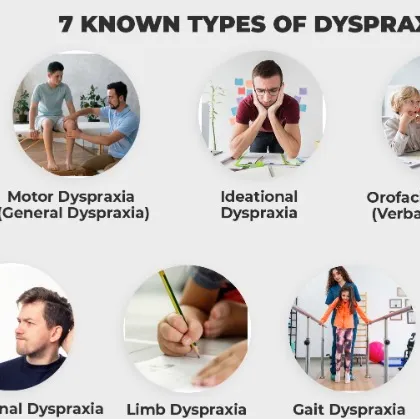
Dyspraxia—more formally called **developmental coordination disorder (DCD)**—is a lifelong neurodevelopmental condition that affects how the brain plans, organizes, and coordinates movement, often making everyday motor tasks harder than expected for a person’s age and intelligence.
## What it is (and what it isn’t)
- **Core issue:** Impaired motor coordination and motor planning (praxis), not muscle weakness or paralysis.
- **Terminology:** “Dyspraxia” is widely used (especially in the UK), but clinicians usually diagnose **DCD** because “dyspraxia” can also refer to movement problems acquired after brain injury.
- **Not a learning disability or low intelligence:** DCD-dyspraxia does **not** reflect intellectual ability, though it can make learning and school-work tasks more challenging.
## Common signs and symptoms
Symptoms vary, but typically involve a mix of the following:
- **Gross motor difficulties:** Clumsiness, poor balance, trouble with running, jumping, catching-throwing, or sports.
- **Fine motor difficulties:** Handwriting problems, difficulty using cutlery, tying shoelaces, buttoning clothes, or using small tools.
- **Motor planning-sequencing:** Struggling with multi‑step actions (e.g., getting dressed in order, brushing teeth in sequence).
- **Spatial awareness:** Bumping into things, misjudging distances, poor sense of personal space.
- **Associated features (common but not universal):** Speech-language delays, working‑memory or organizational difficulties, sensory sensitivities, and lower confidence or anxiety around physical tasks.
![]
## Causes and how common it is
- **Cause:** Not fully understood; thought to involve atypical development of brain networks that transmit movement commands. Risk factors include **premature birth**, **low birth weight**, family history, and prenatal exposure to alcohol-drugs.
- **Prevalence:** Affects roughly **5–6% of children** (some estimates up to 10%), with about **2% severely affected**; it persists into adulthood for many people.
- **Sex difference:** More commonly diagnosed in males (around 4:1 in some reports).
## Diagnosis
There’s no single lab or imaging test. Diagnosis is clinical and typically requires that:
- Motor skills are **significantly below** age expectations.
- Difficulties **interfere** with daily life or school work performance.
- Symptoms began in **early development**.
- Problems aren’t better explained by another neurological, medical, or intellectual condition.
Assessments often involve pediatricians, occupational therapists, and or psychologists using standardized motor tests and developmental history.
## Management and support
There’s no cure, but targeted support can markedly improve function and confidence:
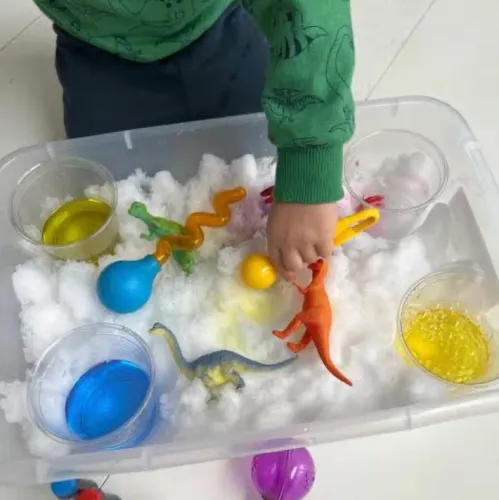
- **Occupational therapy (OT):** Task‑specific practice, adaptive strategies, and environmental modifications (e.g., keyboarding instead of long handwriting, elastic laces).
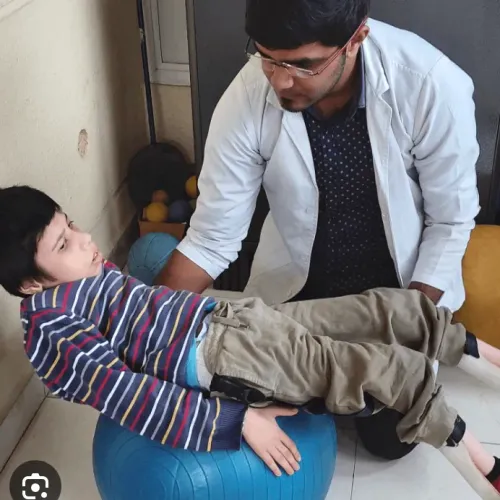
- **Physical therapy:** Balance, coordination, and strength work tailored to goals (sports skills, safe mobility).
- **Speech and language therapy:** If speech, language, or oral‑motor issues are present.
- **School-work accommodations:** Extra time for written tasks, alternative assessment formats, clear step‑by‑step instructions, and practical aids.
-
## What it is (and what it isn’t)
- **Core issue:** Impaired motor coordination and motor planning (praxis), not muscle weakness or paralysis.
- **Terminology:** “Dyspraxia” is widely used (especially in the UK), but clinicians usually diagnose **DCD** because “dyspraxia” can also refer to movement problems acquired after brain injury.
- **Not a learning disability or low intelligence:** DCD-dyspraxia does **not** reflect intellectual ability, though it can make learning and school-work tasks more challenging.
## Common signs and symptoms
Symptoms vary, but typically involve a mix of the following:
- **Gross motor difficulties:** Clumsiness, poor balance, trouble with running, jumping, catching-throwing, or sports.
- **Fine motor difficulties:** Handwriting problems, difficulty using cutlery, tying shoelaces, buttoning clothes, or using small tools.
- **Motor planning-sequencing:** Struggling with multi‑step actions (e.g., getting dressed in order, brushing teeth in sequence).
- **Spatial awareness:** Bumping into things, misjudging distances, poor sense of personal space.
- **Associated features (common but not universal):** Speech-language delays, working‑memory or organizational difficulties, sensory sensitivities, and lower confidence or anxiety around physical tasks.
![]
## Causes and how common it is
- **Cause:** Not fully understood; thought to involve atypical development of brain networks that transmit movement commands. Risk factors include **premature birth**, **low birth weight**, family history, and prenatal exposure to alcohol-drugs.
- **Prevalence:** Affects roughly **5–6% of children** (some estimates up to 10%), with about **2% severely affected**; it persists into adulthood for many people.
- **Sex difference:** More commonly diagnosed in males (around 4:1 in some reports).
## Diagnosis
There’s no single lab or imaging test. Diagnosis is clinical and typically requires that:
- Motor skills are **significantly below** age expectations.
- Difficulties **interfere** with daily life or school work performance.
- Symptoms began in **early development**.
- Problems aren’t better explained by another neurological, medical, or intellectual condition.
Assessments often involve pediatricians, occupational therapists, and or psychologists using standardized motor tests and developmental history.
## Management and support
There’s no cure, but targeted support can markedly improve function and confidence:
- **Occupational therapy (OT):** Task‑specific practice, adaptive strategies, and environmental modifications (e.g., keyboarding instead of long handwriting, elastic laces).
- **Physical therapy:** Balance, coordination, and strength work tailored to goals (sports skills, safe mobility).
- **Speech and language therapy:** If speech, language, or oral‑motor issues are present.
- **School-work accommodations:** Extra time for written tasks, alternative assessment formats, clear step‑by‑step instructions, and practical aids.
-
Keywords