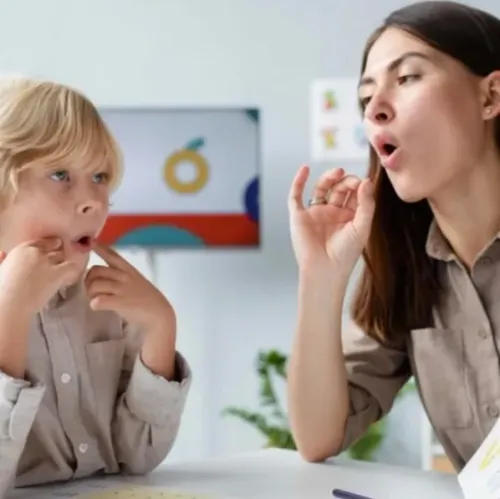
When a child mouths or chews non‑edible items (clothes, toys, pens, etc.) but struggles with eating or avoids many foods, it often points to **oral sensory processing differences** rather than “bad behavior.” The mouth is a powerful sensory organ; some kids seek intense oral input to feel calm or focused, while others find certain food textures overwhelming and avoid them.
## Why “mouthing” non‑food happens
Common reasons include:
- **Sensory seeking -self‑regulation:** Chewing, biting, and sucking give strong proprioceptive input that can be calming, especially when a child is anxious, tired, or overstimulated.
- **Developmental stage:** Mouthing is normal in infants and toddlers up to ~2 years. When it persists or intensifies beyond that, it often signals unmet sensory needs or other factors.
- **Oral motor or dental issues:** Teething, tooth pain, or weak oral muscles can make chewing certain foods uncomfortable, so the child may prefer gnawing on safer, non‑food items.
- **Nutritional-medical factors:** Iron deficiency or other nutritional issues can drive pica‑like behavior (eating-mouthing non‑food). Persistent mouthing of dangerous items warrants medical review.
- **Neurodevelopmental differences:** More common in children with autism, ADHD, developmental delays, or sensory processing differences.
## How this connects with “not eating” or food refusal
Kids can mouth non‑food **and** reject foods for related sensory reasons:
- **Oral sensory aversion:** Certain textures, temperatures, or mixed textures feel overwhelming, causing gagging, spitting, or refusal—even while the child craves chewing on firm, non‑food items.
- **Under‑chewing in diet:** If a child eats mostly soft-smooth foods, they may not get enough “chew work” from meals and will seek it by mouthing objects.
- **Motor vs sensory:** Some children have oral‑motor weakness or coordination issues that make chewing-swallowing hard, while still seeking oral input through mouthing.
## What you can try at home (safe, practical strategies)
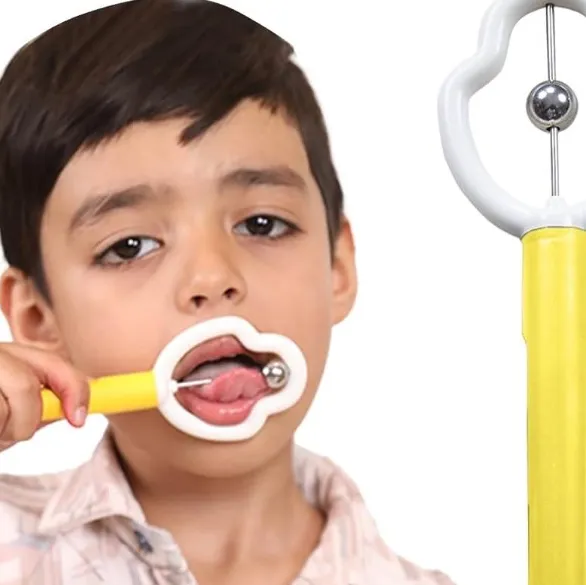
These are commonly recommended by oral motor therapists and feeding specialists:
### 1) Offer safe oral “chew” alternatives
- **Chewy tubes -chewable jewelry** designed for oral sensory input (e.g., ARK chew tools, silicone necklaces).
- **Crunchy-chewy foods** if tolerated: carrot sticks, apple slices, dried fruit, chewy meats, bagels, thick straws for smoothies.
- **Heavy work through the mouth:** Blowing bubbles, whistles, pinwheels; drinking through a thick straw; humming or singing.
### 2) Build a predictable “oral diet” across the day
Plan short, scheduled oral activities (every 1–2 hours) rather than waiting for mouthing to start:
- Morning: crunchy snack + thick‑straw drink
- Mid‑day: chewy tube for 2–3 minutes before homework or transitions
- Evening: toothbrush massage to palate-gums (if tolerated), or a vibrating toothbrush on the child’s terms
### 3) Reduce triggers and support regulation
- Notice patterns: Does mouthing increase with stress, transitions, screen time, or fatigue? Adjust routines, add calming activities (deep pressure, movement breaks).
- Keep dangerous items out of reach; gently redirect to a safe chew instead of shaming.
### 4) Work on food textures gradually (if feeding is a concern)
- Start from **accepted textures** and make tiny changes (e.g., slightly thicker puree, then small soft lumps).
- Use “food chaining”: move from one accepted food to a very similar one (same brand, slightly different shape-texture).
- Pair new textures with strong preferences (favorite flavor, dip, familiar)
## Why “mouthing” non‑food happens
Common reasons include:
- **Sensory seeking -self‑regulation:** Chewing, biting, and sucking give strong proprioceptive input that can be calming, especially when a child is anxious, tired, or overstimulated.
- **Developmental stage:** Mouthing is normal in infants and toddlers up to ~2 years. When it persists or intensifies beyond that, it often signals unmet sensory needs or other factors.
- **Oral motor or dental issues:** Teething, tooth pain, or weak oral muscles can make chewing certain foods uncomfortable, so the child may prefer gnawing on safer, non‑food items.
- **Nutritional-medical factors:** Iron deficiency or other nutritional issues can drive pica‑like behavior (eating-mouthing non‑food). Persistent mouthing of dangerous items warrants medical review.
- **Neurodevelopmental differences:** More common in children with autism, ADHD, developmental delays, or sensory processing differences.
## How this connects with “not eating” or food refusal
Kids can mouth non‑food **and** reject foods for related sensory reasons:
- **Oral sensory aversion:** Certain textures, temperatures, or mixed textures feel overwhelming, causing gagging, spitting, or refusal—even while the child craves chewing on firm, non‑food items.
- **Under‑chewing in diet:** If a child eats mostly soft-smooth foods, they may not get enough “chew work” from meals and will seek it by mouthing objects.
- **Motor vs sensory:** Some children have oral‑motor weakness or coordination issues that make chewing-swallowing hard, while still seeking oral input through mouthing.
## What you can try at home (safe, practical strategies)
These are commonly recommended by oral motor therapists and feeding specialists:
### 1) Offer safe oral “chew” alternatives
- **Chewy tubes -chewable jewelry** designed for oral sensory input (e.g., ARK chew tools, silicone necklaces).
- **Crunchy-chewy foods** if tolerated: carrot sticks, apple slices, dried fruit, chewy meats, bagels, thick straws for smoothies.
- **Heavy work through the mouth:** Blowing bubbles, whistles, pinwheels; drinking through a thick straw; humming or singing.
### 2) Build a predictable “oral diet” across the day
Plan short, scheduled oral activities (every 1–2 hours) rather than waiting for mouthing to start:
- Morning: crunchy snack + thick‑straw drink
- Mid‑day: chewy tube for 2–3 minutes before homework or transitions
- Evening: toothbrush massage to palate-gums (if tolerated), or a vibrating toothbrush on the child’s terms
### 3) Reduce triggers and support regulation
- Notice patterns: Does mouthing increase with stress, transitions, screen time, or fatigue? Adjust routines, add calming activities (deep pressure, movement breaks).
- Keep dangerous items out of reach; gently redirect to a safe chew instead of shaming.
### 4) Work on food textures gradually (if feeding is a concern)
- Start from **accepted textures** and make tiny changes (e.g., slightly thicker puree, then small soft lumps).
- Use “food chaining”: move from one accepted food to a very similar one (same brand, slightly different shape-texture).
- Pair new textures with strong preferences (favorite flavor, dip, familiar)
Keywords