The **fear paralysis reflex (FPR)** is an early, primitive “freeze” response that appears in the womb and is normally integrated (switched off as an automatic reflex) before or shortly after birth. When it stays active (“retained”), even brief or sudden sensory input can trigger a strong freeze-shutdown reaction.
## What the fear paralysis reflex is
- **When it appears:** Around 5–8 weeks after conception, as a whole‑body withdrawal and freezing response to perceived threat or stress in utero.
- **Normal development:** It should merge with and be replaced by the **Moro (startle) reflex** late in pregnancy and be largely integrated before birth.
- **Trigger:** Sudden or intense **auditory, visual, or tactile** input (loud noise, bright light, unexpected touch, sudden change).
- **Typical response pattern:**
- Immediate **freezing-immobility** (“can’t move or think”)
- **Breath holding** or altered breathing
- **Withdrawal**, shutting down, or going silent under stress
- In extreme cases (especially discussed in SIDS research), profound **bradycardia** (very slow heart rate) and apnea.
## “Short exposure” and why it matters
Your phrase “short exposure” likely refers to **brief, sudden sensory events** that can still provoke a big reaction when FPR is retained:
- Even **short, sharp stimuli** (a door slamming, a flash of light, a quick unexpected touch) can trigger:
- A freeze response
- Panic or “mind goes blank” feeling
- Avoidance of new or unpredictable situations
- Because the reflex is meant to be **short‑lived and then release**, a retained FPR means the nervous system may:
- Overreact to small surprises
- Stay in a heightened state of vigilance
- Take longer to recover after the initial shock.
In SIDS research, the related “fear paralysis reflex” hypothesis suggests that **sudden exposure to unfamiliar environments or persons**, restraint, or abrupt noise could trigger a fatal freeze-bradycardia response in vulnerable infants.
## Signs of a retained fear paralysis reflex
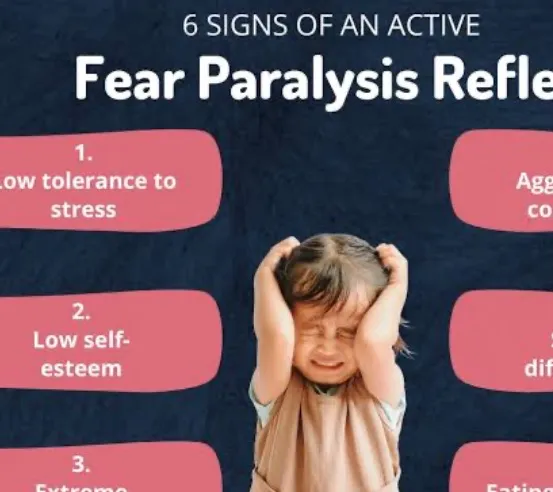
- Very **low tolerance for stress or change**
- Strong anxiety or panic that seems out of proportion
- **Hypersensitivity** to sound, touch, or sudden movement
- Tendency to **freeze, go mute, or shut down** under pressure (e.g., tests, social situations)
- Dislike of surprises; preference for rigid routine
- Fatigue, breath‑holding, or fainting in extreme cases.
## How it’s addressed
Approaches focus on **nervous system regulation** and gradual desensitization rather than “short, sharp exposures”:
- **Gentle, predictable sensory input** (slow approach, warning before touch-noise)
- **Breathing and grounding exercises** to counter freeze and breath‑holding
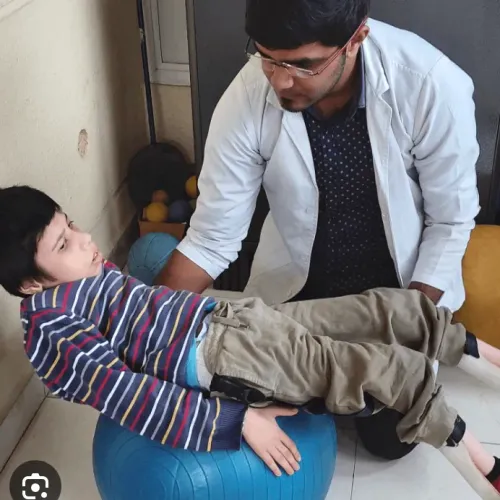
- **Movement and reflex‑integration exercises** (e.g., tapping protocols, navel radiation, ribcage breathing) used by some OTs and reflex‑integration practitioners.
- For anxiety-trauma‑related freezing in older children-adults: **graded exposure therapy**, CBT, and somatic approaches to retrain the threat response.
## What the fear paralysis reflex is
- **When it appears:** Around 5–8 weeks after conception, as a whole‑body withdrawal and freezing response to perceived threat or stress in utero.
- **Normal development:** It should merge with and be replaced by the **Moro (startle) reflex** late in pregnancy and be largely integrated before birth.
- **Trigger:** Sudden or intense **auditory, visual, or tactile** input (loud noise, bright light, unexpected touch, sudden change).
- **Typical response pattern:**
- Immediate **freezing-immobility** (“can’t move or think”)
- **Breath holding** or altered breathing
- **Withdrawal**, shutting down, or going silent under stress
- In extreme cases (especially discussed in SIDS research), profound **bradycardia** (very slow heart rate) and apnea.
## “Short exposure” and why it matters
Your phrase “short exposure” likely refers to **brief, sudden sensory events** that can still provoke a big reaction when FPR is retained:
- Even **short, sharp stimuli** (a door slamming, a flash of light, a quick unexpected touch) can trigger:
- A freeze response
- Panic or “mind goes blank” feeling
- Avoidance of new or unpredictable situations
- Because the reflex is meant to be **short‑lived and then release**, a retained FPR means the nervous system may:
- Overreact to small surprises
- Stay in a heightened state of vigilance
- Take longer to recover after the initial shock.
In SIDS research, the related “fear paralysis reflex” hypothesis suggests that **sudden exposure to unfamiliar environments or persons**, restraint, or abrupt noise could trigger a fatal freeze-bradycardia response in vulnerable infants.
## Signs of a retained fear paralysis reflex
- Very **low tolerance for stress or change**
- Strong anxiety or panic that seems out of proportion
- **Hypersensitivity** to sound, touch, or sudden movement
- Tendency to **freeze, go mute, or shut down** under pressure (e.g., tests, social situations)
- Dislike of surprises; preference for rigid routine
- Fatigue, breath‑holding, or fainting in extreme cases.
## How it’s addressed
Approaches focus on **nervous system regulation** and gradual desensitization rather than “short, sharp exposures”:
- **Gentle, predictable sensory input** (slow approach, warning before touch-noise)
- **Breathing and grounding exercises** to counter freeze and breath‑holding
- **Movement and reflex‑integration exercises** (e.g., tapping protocols, navel radiation, ribcage breathing) used by some OTs and reflex‑integration practitioners.
- For anxiety-trauma‑related freezing in older children-adults: **graded exposure therapy**, CBT, and somatic approaches to retrain the threat response.
Keywords