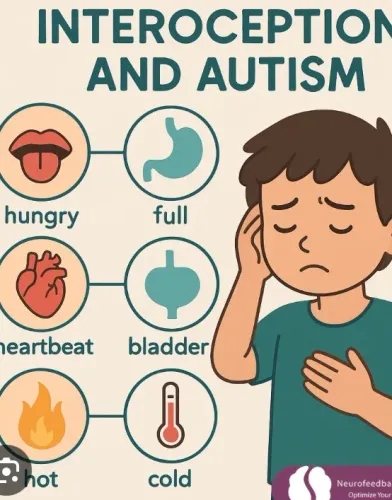
Anxiety disorders are highly prevalent in individuals with Autism Spectrum Disorder (ASD), affecting approximately 40% of the population with autism. While not a core feature of ASD, anxiety often exacerbates social withdrawal, repetitive behaviors, and behavioral difficulties, leading to increased functional impairment in daily life.
### Common Anxiety Presentations
Distinguishing between anxiety and core autism behaviors can be challenging, as both may manifest through similar actions. Common manifestations of anxiety in this population include:
- **Specific Phobias:** Reported in approximately 30% of individuals with ASD.
- **Obsessive-Compulsive Disorder (OCD):** Affects about 17% of individuals with ASD.
- **Social Anxiety Disorder:** Experienced by roughly 17% of individuals with ASD.
- **Behavioral Indicators:** Anxiety may present as increased tantrums, social avoidance, sleep disturbances, aggression, or running away.
### Impact and Treatment Considerations
The co-occurrence of an anxiety disorder with ASD is associated with greater symptom severity and can significantly strain familial relationships. Current clinical approaches to managing these conditions include:
- **Comprehensive Assessment:** Clinicians often look for functional impairment that extends beyond the core symptoms of autism to identify a distinct anxiety disorder.
- **Modified Cognitive Behavioral Therapy (CBT):** Research supports using modified CBT, which is adapted to accommodate the communication and cognitive needs of individuals on the spectrum.
- **Pharmacological Interventions:** While some medications are used, data remains limited, and individuals with ASD may be at a higher risk for behavioral activation when taking SSRIs.
- **Family-Focused Care:** Addressing parental stress and providing psychoeducation can improve overall outcomes for both the individual with ASD and their family.
### Common Anxiety Presentations
Distinguishing between anxiety and core autism behaviors can be challenging, as both may manifest through similar actions. Common manifestations of anxiety in this population include:
- **Specific Phobias:** Reported in approximately 30% of individuals with ASD.
- **Obsessive-Compulsive Disorder (OCD):** Affects about 17% of individuals with ASD.
- **Social Anxiety Disorder:** Experienced by roughly 17% of individuals with ASD.
- **Behavioral Indicators:** Anxiety may present as increased tantrums, social avoidance, sleep disturbances, aggression, or running away.
### Impact and Treatment Considerations
The co-occurrence of an anxiety disorder with ASD is associated with greater symptom severity and can significantly strain familial relationships. Current clinical approaches to managing these conditions include:
- **Comprehensive Assessment:** Clinicians often look for functional impairment that extends beyond the core symptoms of autism to identify a distinct anxiety disorder.
- **Modified Cognitive Behavioral Therapy (CBT):** Research supports using modified CBT, which is adapted to accommodate the communication and cognitive needs of individuals on the spectrum.
- **Pharmacological Interventions:** While some medications are used, data remains limited, and individuals with ASD may be at a higher risk for behavioral activation when taking SSRIs.
- **Family-Focused Care:** Addressing parental stress and providing psychoeducation can improve overall outcomes for both the individual with ASD and their family.
Keywords