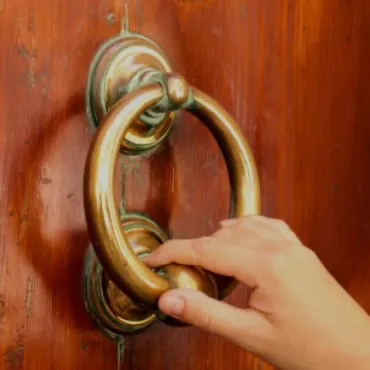
Your child's tapping on table doors and objects is very likely **stimming** (self-stimulatory behavior), a common repetitive behavior in autistic children.
### Why autistic children stim
| Purpose | How tapping helps |
|---------|-------------------|
| **Cope with strong emotions** | Calms anxiety, anger, fear, or excitement |
| **Manage sensory overload** | Focuses attention on the tap, creating a calming sensory input
| **Self-regulate senses** | Provides tactile-sound stimulation they need |
| **Express frustration** | Alternative communication when verbal expression is difficult |
| **Deal with unfamiliar environments** | Helps adapt to new or unpredictable situations |
Many autistic people specifically stim by **tapping tables, desks, or objects** with knuckles.
### What to do
1. **Accept the stimming** – Understand it serves a purpose; don't punish it
2. **Observe patterns** – Note when-how much tapping happens to identify triggers (tired? hungry? anxious? bored? too many changes?)
3. **Adjust the environment** –
- If overwhelmed: offer quiet space, reduce sensory input
- If under-stimulated: add background music, varied textures, outdoor play
4. **Replace unsafe stims** – If tapping hurts them-others or damages objects, offer safer alternatives like fidget toys
### Why autistic children stim
| Purpose | How tapping helps |
|---------|-------------------|
| **Cope with strong emotions** | Calms anxiety, anger, fear, or excitement |
| **Manage sensory overload** | Focuses attention on the tap, creating a calming sensory input
| **Self-regulate senses** | Provides tactile-sound stimulation they need |
| **Express frustration** | Alternative communication when verbal expression is difficult |
| **Deal with unfamiliar environments** | Helps adapt to new or unpredictable situations |
Many autistic people specifically stim by **tapping tables, desks, or objects** with knuckles.
### What to do
1. **Accept the stimming** – Understand it serves a purpose; don't punish it
2. **Observe patterns** – Note when-how much tapping happens to identify triggers (tired? hungry? anxious? bored? too many changes?)
3. **Adjust the environment** –
- If overwhelmed: offer quiet space, reduce sensory input
- If under-stimulated: add background music, varied textures, outdoor play
4. **Replace unsafe stims** – If tapping hurts them-others or damages objects, offer safer alternatives like fidget toys
Keywords