Emotional regulation challenges are common in autism due to sensory sensitivities, difficulty identifying emotions, and trouble shifting from distress. Effective strategies focus on teaching recognition, coping tools, and structured support tailored to the individual.
## Key Strategies
- Use visual emotion charts to help identify feelings like "green zone" (calm) versus "red zone" (upset), then discuss appropriate responses.
- Model calm behavior yourself and acknowledge the child's feelings to validate them before guiding to solutions.
- Practice calming techniques such as deep breathing, counting to 20, or using a "five senses" activity (name 5 things you see, 4 you touch, etc.)
## Sensory and Routine Tools
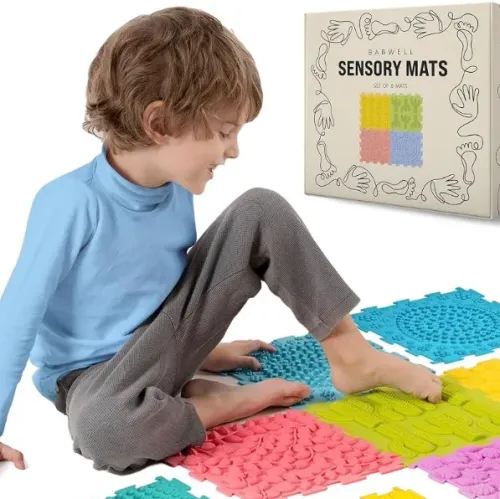
Sensory tools like fidget spinners, weighted blankets, or calm-down kits reduce overload during meltdowns.
Incorporate first-then visuals (e.g., "First deep breaths, then playtime") for transitions and predictability.
Exercise, breaks, or quiet spaces help release tension, with positive reinforcement building independence over time.
## Key Strategies
- Use visual emotion charts to help identify feelings like "green zone" (calm) versus "red zone" (upset), then discuss appropriate responses.
- Model calm behavior yourself and acknowledge the child's feelings to validate them before guiding to solutions.
- Practice calming techniques such as deep breathing, counting to 20, or using a "five senses" activity (name 5 things you see, 4 you touch, etc.)
## Sensory and Routine Tools
Sensory tools like fidget spinners, weighted blankets, or calm-down kits reduce overload during meltdowns.
Incorporate first-then visuals (e.g., "First deep breaths, then playtime") for transitions and predictability.
Exercise, breaks, or quiet spaces help release tension, with positive reinforcement building independence over time.
Keywords