Body awareness—how a child notices, interprets, and uses signals from their own body—is especially important for autistic children because it underpins safety, self‑regulation, communication of needs, and everyday independence. When this awareness is weak or inconsistent, children may not recognize hunger, thirst, pain, fatigue, or bathroom needs in time, which can lead to discomfort, meltdowns, or behavior that looks “unexplained” but actually has a bodily cause.
## What “body awareness” means in autism
Body awareness in this context usually refers to two related systems:
- **Proprioception** – the sense of where the body is in space and how it’s moving, based on input from muscles, tendons, and joints.
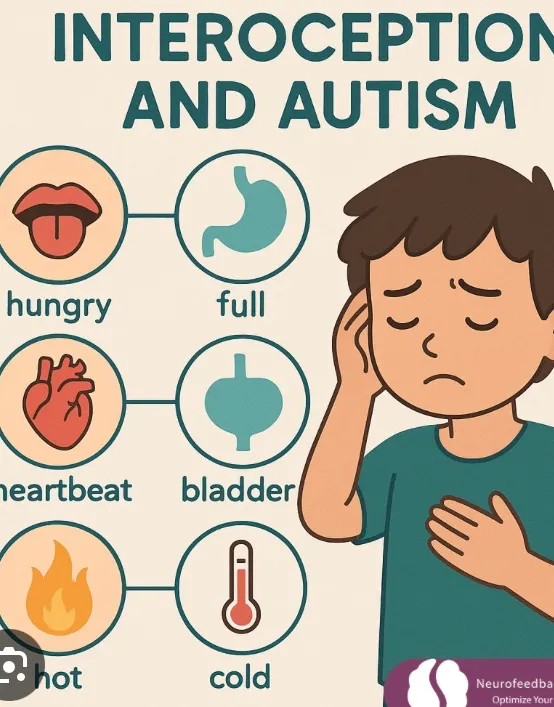
- **Interoception** – the sense of internal bodily states such as hunger, thirst, heart rate, temperature, bladder-bowel fullness, and some emotional sensations (e.g., “butterflies” for anxiety).
Many autistic children process these signals differently: they may be faint, delayed, confusing, or easily missed when the child is stressed or focused.
## Why it matters
### 1. Emotional regulation and behavior
Interoceptive signals are the raw data the brain uses to identify feelings. If a child doesn’t notice a racing heart, tight chest, or stomach tension, they may not recognize rising anxiety, frustration, or overwhelm until it’s too late, increasing the likelihood of meltdowns, shutdowns, or burnout. Better body awareness helps build a clearer chain: **body signal → feeling → strategy → action**, giving the child more control and fewer surprises.
### 2. Communication of needs
Children who can’t reliably detect or label internal states struggle to say things like “I’m hungry, ” “I need the toilet, ” “I’m too hot, ” or “This hurts.” This can look like:
- Toileting difficulties or accidents (not sensing a full bladder-bowel in time)
- Irregular eating-drinking patterns
- Seeming “fine” until suddenly overwhelmed or in pain
Supporting body awareness gives children clearer cues to communicate, reducing frustration for both child and caregiver.
### 3. Safety and physical coordination
Proprioceptive differences affect how a child moves through space. Common signs include:
- Crashing into people-objects, bumping, or falling more often
- Using too much or too little force (e.g., breaking toys, pressing too hard when writing)
- Seeking deep pressure, tight squeezes, jumping, or crashing as a way to “feel” their body
Improved proprioception supports safer movement, better coordination, and more confidence in play and physical activities.### 4. Daily living skills and independence
Body awareness feeds directly into self‑care routines:
- Dressing (knowing how limbs are positioned, managing buttons-zips)
- Toileting (sensing urgency, recognizing when finished)
- Eating and drinking at regular intervals
- Resting before exhaustion (noticing tiredness cues)
When these signals are clearer, children need fewer prompts and can function more independently at home and school.
### 5. Learning and participation
Sensory and motor differences are core features for many autistic children, not just “side issues.” Poor body awareness can affect:
- Handwriting and fine motor tasks (grip, pressure, posture)
- Sitting still, focusing, and managing energy levels in class
- Participating in group activities, sports, or playground play without frequent collisions or fatigue
Targeted proprioceptive and interoceptive support can reduce hyperactivity, improve sensory regulation, and enhance motor skills, which in turn supports learning engagement.
## Practical implications for caregivers and educators
Understanding that many “behavior” issues may stem from missed or misread body signals shifts the response from “What’s wrong with this behavior?” to “What body signal might this child be missing or struggling with?” This can guide:
- **Teaching body vocabulary** (hungry, thirsty, hot-cold, tired, need toilet, heart fast-slow) using visual charts, stories, and daily check‑ins.
- **Structured body‑awareness activities** such as pointing to-wiggling body parts, “Simon Says” with body parts, drawing self‑portraits, and linking sensations to emotions.
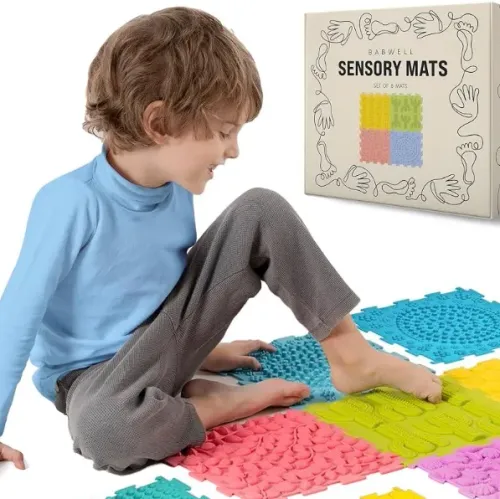
- **Proprioceptive input** through pushing-pulling, carrying, jumping, climbing, deep pressure, and heavy work, which can help organize the sensory system and improve regulation.
Keywords