Early intervention programs for special needs children (typically ages 0–3) focus on teaching **developmental skills across five key areas** through therapies, play-based learning, and family support:
### Core Skill Areas Taught
| Area | What's Taught |
|------|---------------|
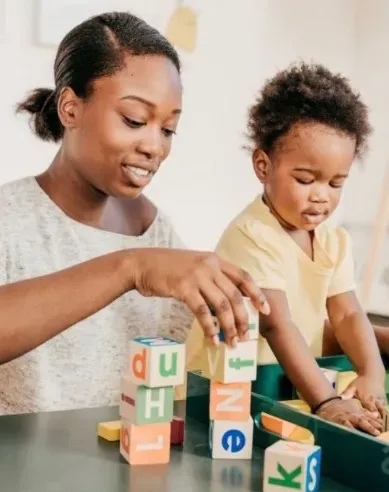
| **Physical skills** | Reaching, crawling, walking, grasping, drawing, building with blocks |
| **Communication skills** | Talking, listening, understanding others, using gestures, early language development |
| **Cognitive skills** | Thinking, learning, problem-solving, recognizing patterns, cause-and-effect
| **Self-help-adaptive skills** | Eating, dressing, toileting, personal hygiene, independent daily tasks |
| **Social-emotional skills** | Playing, interacting with others, sharing, expressing emotions, bonding |
### Specific Therapies & Services Provided
- **Speech and language therapy** – for communication delays
- **Physical therapy** – for motor skill development
- **Occupational therapy** – for fine motor skills and daily living activities
- **Behavioral therapy** – especially for children with autism
- **Social skills training** – playing with peers, turn-taking
- **School readiness skills** – pre-academic foundations for preschool
- **Assistive technology** – devices to support communication or mobility
### Key Program Features
- **Family engagement & training** – parents learn strategies to support development at home
- **Play-based interventions** – learning through structured play activities
- **Individualized intervention plans** – tailored to each child's unique needs
- Services delivered **at home or in community settings**
Early intervention is crucial because ages 0–6 represent peak brain development, and timely support significantly improves long-term outcomes for independence and quality of life.
### Core Skill Areas Taught
| Area | What's Taught |
|------|---------------|
| **Physical skills** | Reaching, crawling, walking, grasping, drawing, building with blocks |
| **Communication skills** | Talking, listening, understanding others, using gestures, early language development |
| **Cognitive skills** | Thinking, learning, problem-solving, recognizing patterns, cause-and-effect
| **Self-help-adaptive skills** | Eating, dressing, toileting, personal hygiene, independent daily tasks |
| **Social-emotional skills** | Playing, interacting with others, sharing, expressing emotions, bonding |
### Specific Therapies & Services Provided
- **Speech and language therapy** – for communication delays
- **Physical therapy** – for motor skill development
- **Occupational therapy** – for fine motor skills and daily living activities
- **Behavioral therapy** – especially for children with autism
- **Social skills training** – playing with peers, turn-taking
- **School readiness skills** – pre-academic foundations for preschool
- **Assistive technology** – devices to support communication or mobility
### Key Program Features
- **Family engagement & training** – parents learn strategies to support development at home
- **Play-based interventions** – learning through structured play activities
- **Individualized intervention plans** – tailored to each child's unique needs
- Services delivered **at home or in community settings**
Early intervention is crucial because ages 0–6 represent peak brain development, and timely support significantly improves long-term outcomes for independence and quality of life.
Keywords