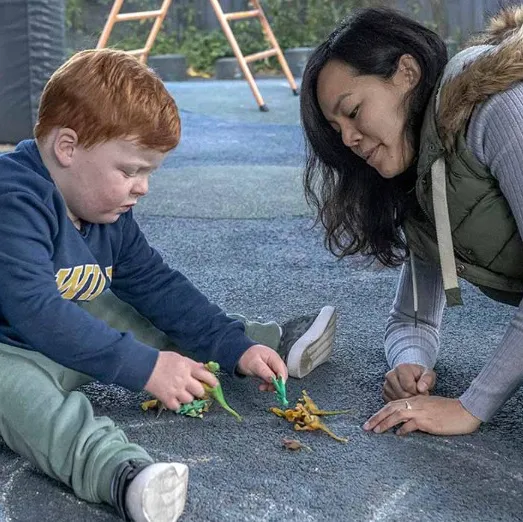
Autistic children can learn academically most effectively when teaching matches their unique learning style, provides a structured environment, and connects lessons to their special interests. Here are the key proven strategies:
### Understanding Their Learning Style
| Learning Style | Effective Strategies |
|---|---|
| **Visual Learners** (most common) | Use pictures, charts, graphs, mind maps, visual schedules, and written reminders |
| **Kinesthetic Learners** | Incorporate hands-on activities, games, movement, and physical demonstrations |
| **Auditory Learners** | Use audiobooks, songs, and clear verbal instructions |
Autistic children often have strong **visual thinking** and **rote memory** skills, remembering large chunks of information well.
### Creating a Structured Learning Environment
- **Predictability is key**: Maintain consistent routines and schedules for comfort and security
- **Use visual schedules**: Picture cards or written timetables outlining daily activities and transitions
- **Minimize distractions**: Create a quiet, clutter-free space to prevent sensory overload
- **Clear expectations**: Make it explicit what the child can expect in different situations
### Making Learning Engaging
- **Tap into special interests**: Connect lessons to their passions (e.g., use favorite toys for numeracy)
- **Break down tasks**: Divide large tasks into smaller, manageable steps
- **Positive reinforcement**: Celebrate all successes, no matter how small
- **Use technology**: Educational apps and games make learning interactive
### Additional Success Tips
- Maintain open communication with teachers and professionals
- Embrace the child's unique strengths and learning differences
- Be patient and consistent—learning takes time
- Use "if-then" statements for clear sequences (e.g., "If you put shoes on, then you can go outside")
Every autistic child is unique, so adapt approaches based on their specific needs.
### Understanding Their Learning Style
| Learning Style | Effective Strategies |
|---|---|
| **Visual Learners** (most common) | Use pictures, charts, graphs, mind maps, visual schedules, and written reminders |
| **Kinesthetic Learners** | Incorporate hands-on activities, games, movement, and physical demonstrations |
| **Auditory Learners** | Use audiobooks, songs, and clear verbal instructions |
Autistic children often have strong **visual thinking** and **rote memory** skills, remembering large chunks of information well.
### Creating a Structured Learning Environment
- **Predictability is key**: Maintain consistent routines and schedules for comfort and security
- **Use visual schedules**: Picture cards or written timetables outlining daily activities and transitions
- **Minimize distractions**: Create a quiet, clutter-free space to prevent sensory overload
- **Clear expectations**: Make it explicit what the child can expect in different situations
### Making Learning Engaging
- **Tap into special interests**: Connect lessons to their passions (e.g., use favorite toys for numeracy)
- **Break down tasks**: Divide large tasks into smaller, manageable steps
- **Positive reinforcement**: Celebrate all successes, no matter how small
- **Use technology**: Educational apps and games make learning interactive
### Additional Success Tips
- Maintain open communication with teachers and professionals
- Embrace the child's unique strengths and learning differences
- Be patient and consistent—learning takes time
- Use "if-then" statements for clear sequences (e.g., "If you put shoes on, then you can go outside")
Every autistic child is unique, so adapt approaches based on their specific needs.
Keywords