Autism and Cultural Blame in Society
Autism Spectrum Disorder (ASD) is a neurodevelopmental condition that affects social communication, interaction, behaviour, sensory processing and patterns of learning. However, in many societies, autism is still misunderstood, and families often experience blame, stigma and discrimination due to a lack of awareness.
1. What is cultural blame?
Cultural blame refers to the tendency of society to attribute a child’s autism to parenting practices, family background, cultural beliefs or personal actions rather than understanding it as a neurodevelopmental condition.
Common misconceptions include:
* Blaming mothers for not providing proper care during pregnancy or childhood.
* Believing autism is caused by poor parenting or lack of discipline.
* Assuming excessive mobile phone usage is the direct cause of autism.
* Believing autism is due to family curses, karma or supernatural influences.
* Considering children with autism as intellectually incapable or poorly behaved.
These beliefs are scientifically unsupported and can create emotional distress for families.
2. Why does society blame families?
* Lack of awareness: Limited understanding of autism and its developmental characteristics.
* Cultural beliefs: Traditional explanations may influence how families interpret developmental differences.
* Social stigma: Differences in communication, behaviour and social interaction may be judged negatively.
* Gender expectations: Mothers are frequently held responsible for children’s developmental challenges.
* Limited acceptance: Society may expect every child to communicate, behave and learn in the same way.
3. Impact of cultural blame on parents and children
On parents:
* Guilt, anxiety and emotional stress.
* Social isolation and reduced confidence.
* Delayed diagnosis due to fear of social judgement.
* Difficulty seeking appropriate professional support.
On children:
* Social exclusion and discrimination.
* Reduced opportunities for education and participation.
* Negative labelling and poor self-esteem.
* Delayed access to early intervention.
4. Role of healthcare professionals and therapists
Healthcare professionals, physiotherapists, occupational therapists, psychologists and speech-language pathologists can play an important role in changing societal attitudes.
* Educate parents about the scientific understanding of autism.
* Provide family-centred counselling and support.
* Conduct awareness programmes in schools and communities.
* Encourage early identification and intervention.
* Promote inclusive education and social participation.
* Respect cultural beliefs while correcting misinformation.
* Focus on the child’s abilities, strengths and individual needs.
5. How can society change?
* Replace judgement with understanding.
* Promote autism awareness in schools and communities.
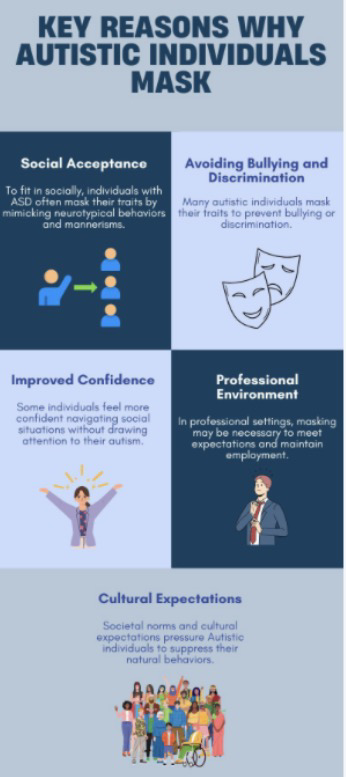
* Encourage acceptance rather than forcing children to appear neurotypical.
* Support parents instead of blaming them.
* Provide equal opportunities in education, healthcare and employment.
* Promote neurodiversity and respect individual differences.
6. Important message
Autism is not a parenting failure.
Autism is a neurodevelopmental condition, not the result of bad parenting, poor discipline, family curses or a lack of love.
Children need acceptance, understanding, early support and opportunities — not blame.
Clinical and social perspective: Treating autism is not about changing a child’s identity to satisfy society. It is about supporting communication, independence, participation, quality of life and the child’s right to be accepted.
This is an important topic for paediatric rehabilitation professionals because changing parental and societal attitudes is also part of improving outcomes for children with autism.
Keywords