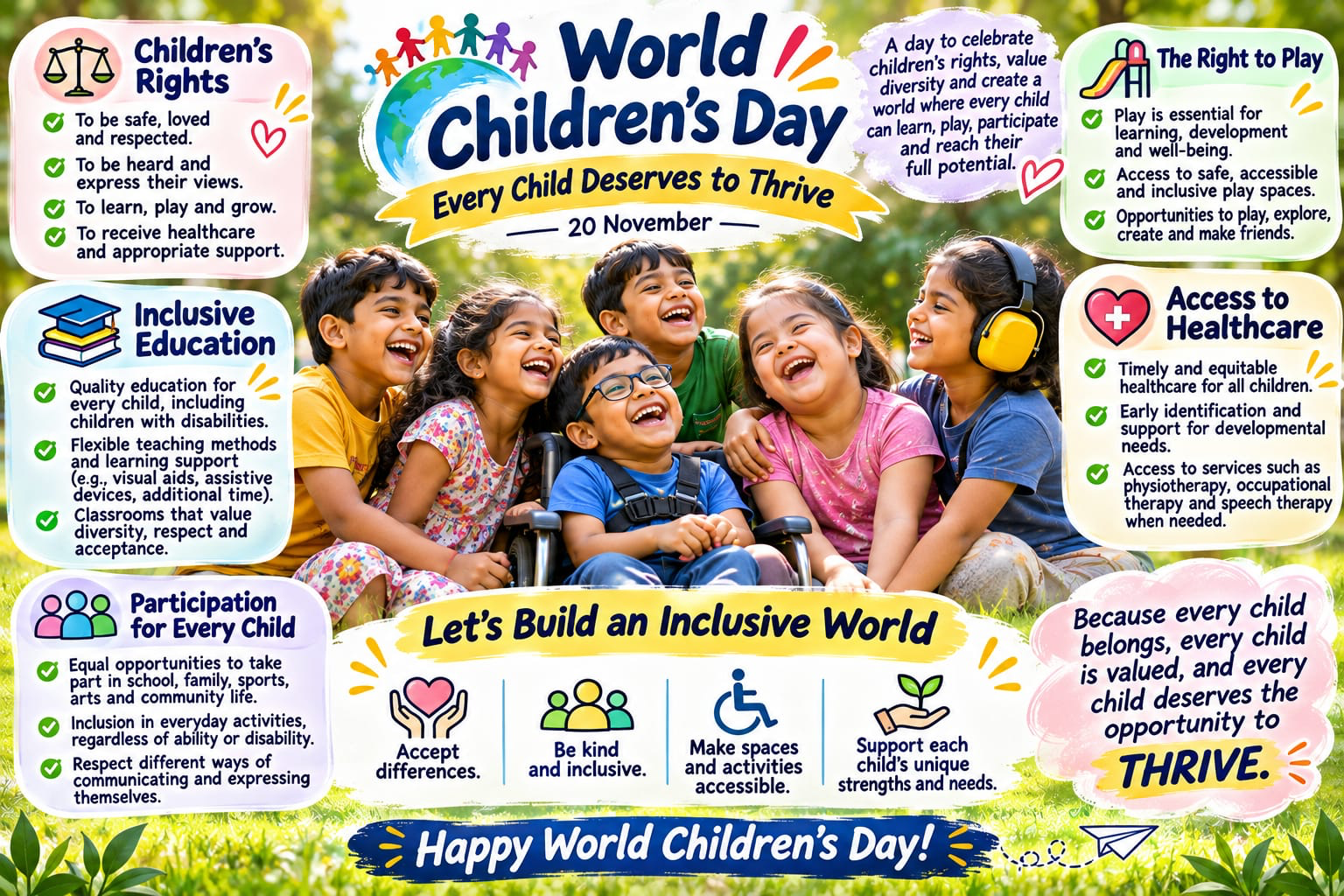
World Children’s Day: Every Child Should Flourish
Creating a world where every child is valued, included, heard and given the chance to flourish
Every child deserves a childhood full of love, safety, laughter, learning and opportunities to discover the world. Children develop at different rates and have different abilities, communicate differently and come from different backgrounds. But all children are entitled to equal respect, dignity and opportunity.
World Children’s Day reminds us that children are not only the future of our society, but an important part of our present. Their voices, their feelings, their rights and their needs should be recognized. It is also a chance to consider if we are creating spaces in which every child feels safe, accepted and able to flourish.
All kids have rights
All children have the right to play, to participate, to protection, to education, to health care and to opportunities to develop to their fullest potential. These rights shall be independent of a child’s disability, family background, financial situation or developmental skills.
“All children should grow up in an environment where they feel safe, where their opinions are valued and they have the support they need.
Sometimes children’s needs get neglected because adults make decisions without listening to them. Building children’s sense of belonging and self-confidence. Letting children share their feelings, likes and make choices appropriate for their age.
It’s about more than listening to what they say. It is also about recognizing their feelings, gestures, behaviors and individual ways of communication.
Inclusive Education: Every Child Needs the Opportunity to Learn
Education is not just going to school and doing lessons. It’s about finding abilities, building relationships, developing confidence and learning how to be part of the community.”
Some children with disabilities or developmental differences may need extra help or adjustments to access education. Some children may require visual learning materials, assistive devices, additional time, accessible classrooms or individual teaching methods.
Inclusive education is not about expecting all children to learn in the same way. This means being able to recognize difference and modify learning environments so that children can participate in a meaningful way.
When schools create environments of acceptance and provide the right support, children learn not only academic skills but also empathy, respect and the value of diversity. An inclusive classroom teaches all students that differences are a natural part of life.
Play is an Important Part of Childhood
Play is typically considered to be the thing that children do, once they have learned, but play is itself a key way for children to learn about the world.
Children play to explore their environment, develop their imagination, solve problems, make friends and express feelings. Running, drawing, building blocks, pretend play, music and outdoor activities can all offer development and enjoyment.
Access to play is equally important for children with a disability. Playgrounds, toys and activities should be designed or adapted to allow children of different abilities to participate.
A child who is not able to get to a playground, play a group game or access a toy because of physical, sensory or communication barriers is missing out on a key part of childhood.
Inclusive play is not about all children doing the same thing. It’s about finding ways for children to play and explore and connect with each other.
Development Assistance and Access to Health Care
All children deserve health care that supports their physical, emotional and developmental well-being. Children need routine health checks, proper nutrition, immunizations, prompt medical attention when necessary, and monitoring of their development.
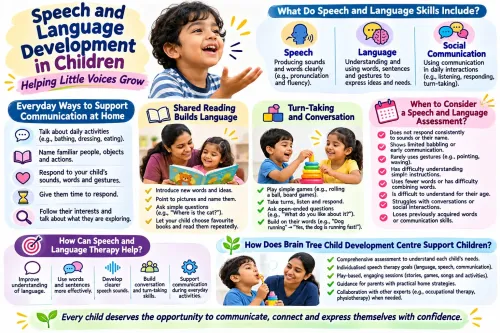
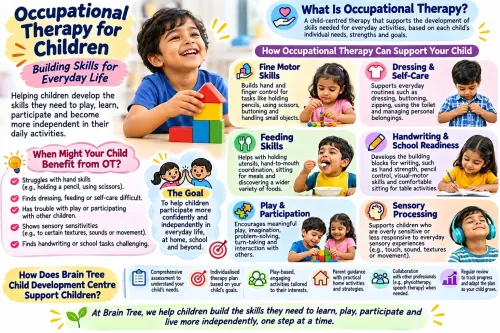
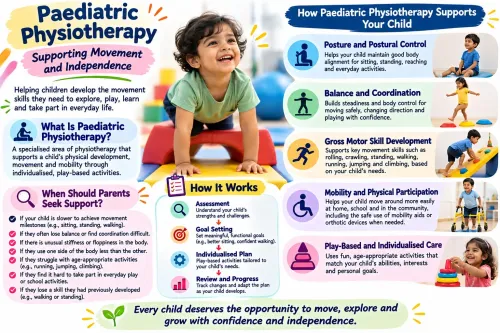
Some children may need extra help such as physiotherapy or occupational therapy, speech and language therapy, psychological support or specialist medical care.
Access to these services can help children work through their individual challenges, learn functional skills, and participate more comfortably in their daily lives.
Parents should be able to get help without fear of being judged or stigmatized. If developmental concerns exist, qualified professionals are able to assist families in comprehending their child’s needs and making informed decisions.
Healthcare should not only be about the difficulties a child may have, but also their strengths, interests, abilities and goals.
Welcoming and Including Children with Disabilities
Kids with disabilities deserve to have everyday experiences — not as outsiders, not labeled by their diagnosis or through their limitations.
Inclusion is so much more than a child in the room. This means ensuring that they can participate, make friends, have a say, access opportunities and feel they belong.
Keywords