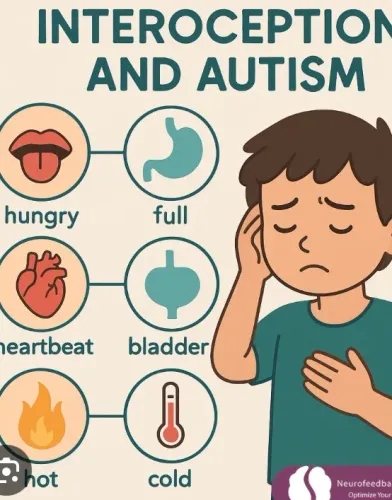
Life skills training helps individuals with autism develop independence and daily functioning. These skills address challenges in communication, social interaction, self-care, and organization often seen in autism spectrum disorder.
## Key Benefits
Training improves adaptive behaviors like hygiene, cooking, and money management, reducing reliance on caregivers. It enhances confidence, emotional regulation, and quality of life through structured practice. Programs like ABA therapy integrate life skills with brain gym activities for better focus and retention.
## Essential Skills
- **Personal Care**: Brushing teeth, dressing, and grooming routines to promote hygiene and self-esteem.
- **Household Tasks**: Laundry, cleaning, and simple meal prep to foster responsibility.
- **Social Skills**: Greeting others, turn-taking, and conversation basics for better interactions.
- **Safety Awareness**: Crossing streets, stranger danger, and emergency responses.
- **Money Management**: Counting change, budgeting, and shopping independently.
## Teaching Methods
Use visual schedules, role-playing, and repetition in short sessions, combining with brain gym exercises like cross crawls for engagement. Start with one skill, reward progress, and involve occupational therapists for personalization. Consistency over months yields lasting gains.
## Key Benefits
Training improves adaptive behaviors like hygiene, cooking, and money management, reducing reliance on caregivers. It enhances confidence, emotional regulation, and quality of life through structured practice. Programs like ABA therapy integrate life skills with brain gym activities for better focus and retention.
## Essential Skills
- **Personal Care**: Brushing teeth, dressing, and grooming routines to promote hygiene and self-esteem.
- **Household Tasks**: Laundry, cleaning, and simple meal prep to foster responsibility.
- **Social Skills**: Greeting others, turn-taking, and conversation basics for better interactions.
- **Safety Awareness**: Crossing streets, stranger danger, and emergency responses.
- **Money Management**: Counting change, budgeting, and shopping independently.
## Teaching Methods
Use visual schedules, role-playing, and repetition in short sessions, combining with brain gym exercises like cross crawls for engagement. Start with one skill, reward progress, and involve occupational therapists for personalization. Consistency over months yields lasting gains.
Keywords