Reading training for children with dyslexia works best when it’s **systematic, explicit, and multisensory**, with a strong focus on **phonics and structured literacy**. Below is a practical overview of what effective training looks like, plus examples of programs and strategies you can use at home or in school.
## What kind of reading training helps dyslexic children?
The most evidence‑based approach is called **structured literacy**. It teaches reading in a:
- **Systematic** way: skills are taught in a logical order (e.g., simple letter–sound patterns before complex ones).
- **Explicit** way: teachers directly explain and model how sounds map to letters and how to blend them into words.
- **Diagnostic** way: progress is checked often, and instruction is adjusted if a child is struggling.
Key skills targeted include:
- Identifying sounds in spoken words (phonemic awareness)
- Connecting sounds to letters (phonics)
- Blending sounds into words
- Breaking words into syllables
- Understanding prefixes, suffixes, and word parts
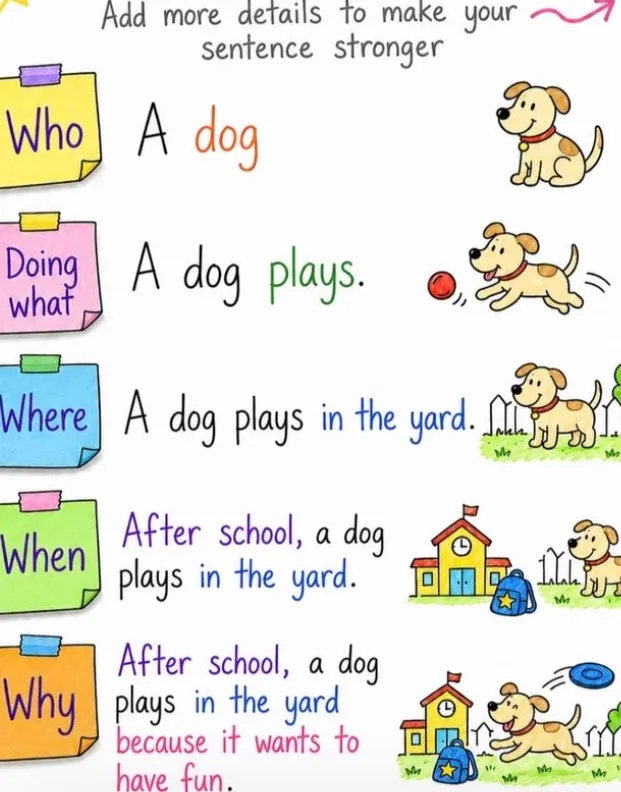
- Working on sentence structure and meaning
## Core training methods
### 1. Systematic phonics instruction
Children with dyslexia benefit from **intensive, step‑by‑step phonics training** that:
- Starts with common, consistent letter–sound patterns (e.g., “cat, ” “bat”)
- Moves gradually to harder patterns and irregular words
- Uses lots of practice with real and made‑up (pseudo) words to build decoding skills
Research shows that both **sight‑word training** and **phonics training** improve reading, but phonics is especially important for building decoding ability, and doing phonics before sight words may give a slight advantage.
### 2. Letter–sound mapping fluency training
Some programs focus intensively on **letter–speech sound integration**:
- Many short sessions (e.g., 30–45 minutes, 2–5 times-week) over several months
- Computer‑assisted or tutor‑led exercises that rapidly present letters and sounds
- Emphasis on speed and accuracy of matching letters to sounds
Studies show this can lead to **substantial gains in word reading and spelling**, sometimes faster than typical progress.
### 3. Rhythm‑based and musical training
Newer approaches combine reading with **rhythm and music**:
- **Rhythmic Reading Training (RRT)**: children read syllables, words, and sentences in time with a beat that gradually speeds up.
- **Mila‑Learn** (a digital medical device): a game‑based program using cognitive‑musical training to improve phonological skills and word reading in children aged 7–11.
These programs have shown improvements in **reading speed, accuracy, and sometimes phonological awareness**, especially in languages like Italian, and are being adapted more widely.
## Multisensory strategies you can use at home
You don’t need a special program to start helping. Effective home activities include:
- **Multisensory phonics practice**
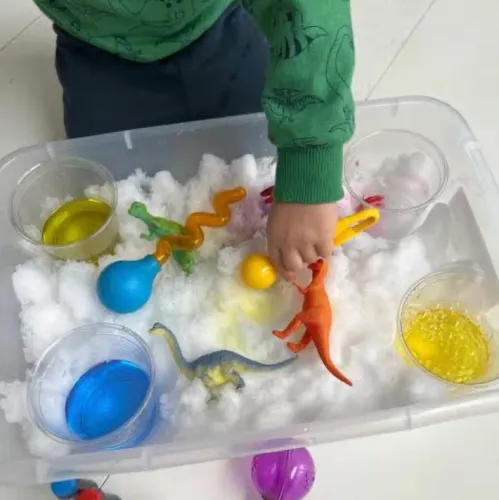
- Write words in sand, salt, or on textured paper while saying each sound.
- Use magnetic letters or letter tiles to build and break words.
- **Whisper phones** (or simple tubes)
- Let the child hear their own voice more clearly as they read aloud, which helps them notice sound errors.
- **Syllable tapping and “scooping”**
- Tap out syllables in longer words (e.g., “el‑e‑phant”).
- Group words into short phrases instead of reading word‑by‑word: “The gray cat -jumped -on the red ball.”
- **Short, frequent sessions**
- 10–20 minutes at a time, several times a week, is often better than long, tiring sessions.
- **Audiobooks + text**
- Listening while following along with printed text supports fluency and comprehension without overloading decoding.
## Types of programs to look for
When choosing a program or tutor, look for ones that:
- Are **explicit and systematic** (clear scope and sequence of skills)
- Are **multisensory** (seeing, hearing, saying, writing, sometimes moving)
- Provide **frequent, structured practice** with feedback
- Are designed specifically for **dyslexia or structured literacy**
Examples of well‑known structured literacy approaches include **Orton‑Gillingham–based programs**, **Wilson Reading System**, **Lindamood‑Bell**, and other evidence‑based curricula listed by university dyslexia centers.
## What kind of reading training helps dyslexic children?
The most evidence‑based approach is called **structured literacy**. It teaches reading in a:
- **Systematic** way: skills are taught in a logical order (e.g., simple letter–sound patterns before complex ones).
- **Explicit** way: teachers directly explain and model how sounds map to letters and how to blend them into words.
- **Diagnostic** way: progress is checked often, and instruction is adjusted if a child is struggling.
Key skills targeted include:
- Identifying sounds in spoken words (phonemic awareness)
- Connecting sounds to letters (phonics)
- Blending sounds into words
- Breaking words into syllables
- Understanding prefixes, suffixes, and word parts
- Working on sentence structure and meaning
## Core training methods
### 1. Systematic phonics instruction
Children with dyslexia benefit from **intensive, step‑by‑step phonics training** that:
- Starts with common, consistent letter–sound patterns (e.g., “cat, ” “bat”)
- Moves gradually to harder patterns and irregular words
- Uses lots of practice with real and made‑up (pseudo) words to build decoding skills
Research shows that both **sight‑word training** and **phonics training** improve reading, but phonics is especially important for building decoding ability, and doing phonics before sight words may give a slight advantage.
### 2. Letter–sound mapping fluency training
Some programs focus intensively on **letter–speech sound integration**:
- Many short sessions (e.g., 30–45 minutes, 2–5 times-week) over several months
- Computer‑assisted or tutor‑led exercises that rapidly present letters and sounds
- Emphasis on speed and accuracy of matching letters to sounds
Studies show this can lead to **substantial gains in word reading and spelling**, sometimes faster than typical progress.
### 3. Rhythm‑based and musical training
Newer approaches combine reading with **rhythm and music**:
- **Rhythmic Reading Training (RRT)**: children read syllables, words, and sentences in time with a beat that gradually speeds up.
- **Mila‑Learn** (a digital medical device): a game‑based program using cognitive‑musical training to improve phonological skills and word reading in children aged 7–11.
These programs have shown improvements in **reading speed, accuracy, and sometimes phonological awareness**, especially in languages like Italian, and are being adapted more widely.
## Multisensory strategies you can use at home
You don’t need a special program to start helping. Effective home activities include:
- **Multisensory phonics practice**
- Write words in sand, salt, or on textured paper while saying each sound.
- Use magnetic letters or letter tiles to build and break words.
- **Whisper phones** (or simple tubes)
- Let the child hear their own voice more clearly as they read aloud, which helps them notice sound errors.
- **Syllable tapping and “scooping”**
- Tap out syllables in longer words (e.g., “el‑e‑phant”).
- Group words into short phrases instead of reading word‑by‑word: “The gray cat -jumped -on the red ball.”
- **Short, frequent sessions**
- 10–20 minutes at a time, several times a week, is often better than long, tiring sessions.
- **Audiobooks + text**
- Listening while following along with printed text supports fluency and comprehension without overloading decoding.
## Types of programs to look for
When choosing a program or tutor, look for ones that:
- Are **explicit and systematic** (clear scope and sequence of skills)
- Are **multisensory** (seeing, hearing, saying, writing, sometimes moving)
- Provide **frequent, structured practice** with feedback
- Are designed specifically for **dyslexia or structured literacy**
Examples of well‑known structured literacy approaches include **Orton‑Gillingham–based programs**, **Wilson Reading System**, **Lindamood‑Bell**, and other evidence‑based curricula listed by university dyslexia centers.
Keywords