Pervasive developmental disorder (PDD) refers to a group of neurodevelopmental conditions now largely classified under autism spectrum disorder (ASD) in modern diagnostics like the DSM-5. ## Definition
PDD was a diagnostic category in earlier DSM editions (up to 2013) and ICD versions (until 2025), encompassing disorders with delays in socialization, communication, and behavior. It includes subtypes like autism, Asperger syndrome, PDD-NOS (not otherwise specified), Rett syndrome, and childhood disintegrative disorder.
## Key Symptoms
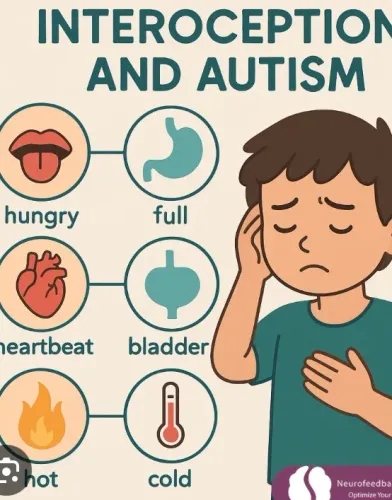
Common signs involve challenges in social interaction, language use, and repetitive behaviors, often emerging around age 3 or earlier. These may include poor eye contact, unusual play patterns, sensory sensitivities, and emotional regulation issues like tantrums.
## Current Classification
Today, most PDD subtypes fall under ASD, except rarer ones like Rett syndrome; PDD-NOS is the most prevalent, affecting about 47% of ASD cases. Prevalence of all PDDs is estimated at 60-70 per 10, 000 children.
## Diagnosis and Treatment
Early evaluation focuses on developmental milestones; therapies like behavioral intervention and speech therapy are primary, with medications for co-occurring issues. No two cases are identical, with symptoms ranging from mild to severe.
PDD was a diagnostic category in earlier DSM editions (up to 2013) and ICD versions (until 2025), encompassing disorders with delays in socialization, communication, and behavior. It includes subtypes like autism, Asperger syndrome, PDD-NOS (not otherwise specified), Rett syndrome, and childhood disintegrative disorder.
## Key Symptoms
Common signs involve challenges in social interaction, language use, and repetitive behaviors, often emerging around age 3 or earlier. These may include poor eye contact, unusual play patterns, sensory sensitivities, and emotional regulation issues like tantrums.
## Current Classification
Today, most PDD subtypes fall under ASD, except rarer ones like Rett syndrome; PDD-NOS is the most prevalent, affecting about 47% of ASD cases. Prevalence of all PDDs is estimated at 60-70 per 10, 000 children.
## Diagnosis and Treatment
Early evaluation focuses on developmental milestones; therapies like behavioral intervention and speech therapy are primary, with medications for co-occurring issues. No two cases are identical, with symptoms ranging from mild to severe.
Keywords