🧩 Attention and Eye Contact in Occupational Therapy for Children
🌟 Why It Matters
Attention and eye contact are the foundation for:
• Learning and understanding instructions
• Social interaction and communication
• Emotional connection and trust
• Participation in therapy, play, and daily routines
When a child struggles with attention or eye contact, it may affect their academic skills, play behavior, and relationships.
⸻
🧠 Why Some Children Struggle
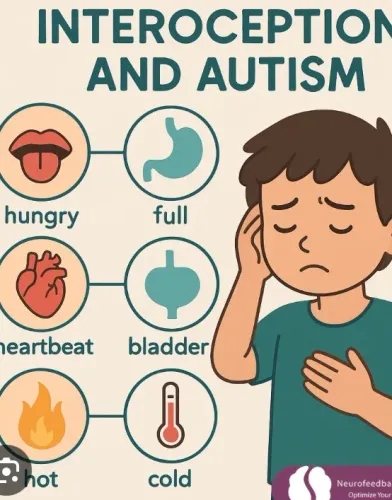
• Sensory processing difficulties (e.g., too much or too little response to sensory input)
• Autism spectrum disorder (ASD)
• ADHD or developmental delays
• Low body awareness or poor postural control
• Anxiety or reduced confidence
⸻
👐 How Occupational Therapy Helps
Occupational therapists use sensory integration–based activities to build the foundation for better attention and social engagement.
🔹 Sensory Activities to Improve Attention
• Swinging, jumping, or obstacle courses to improve alertness
• Deep pressure (weighted blankets, therapy ball) for calming
• Visual–motor games (puzzles, bead threading, ball games)
• Fine-motor and bilateral coordination tasks to increase focus time
🔹 Activities to Improve Eye Contact
• Mirror play and imitation games
• “Look and do” games (Simon Says, catching a ball)
• Bubble blowing or flashlight tracking
• Face-to-face play in short, fun bursts
• Social turn-taking games
⸻
💬 Therapy Goals
• Improve visual attention and focus time
• Develop social reciprocity (looking, responding, smiling)
• Enhance engagement in learning and communication
• Support self-regulation and task persistence
⸻
🌈 Parent Tips at Home
• Play short, interactive games that require looking (peek-a-boo, rolling a ball)
• Reduce background distractions (TV, gadgets)
• Reinforce eye contact gently — don’t force it
• Praise the child for moments of shared attention
• Maintain a consistent daily routine
⸻
Keywords