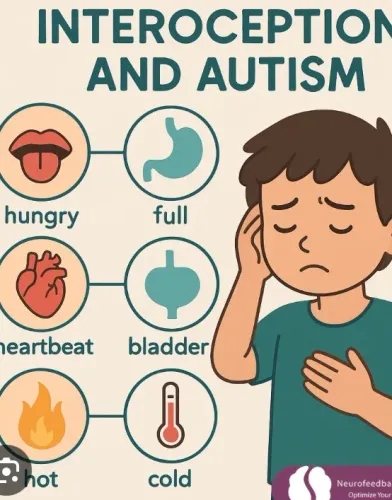
Selective attention in children with Autism Spectrum Disorder (ASD) often shows atypical patterns, with reduced focus on social stimuli like faces or speech cues but enhanced attention to nonsocial objects or patterns.
## Key Patterns
Children with ASD tend to prioritize nonsocial items, such as geometric shapes or objects, over social cues, which stems from enhanced value learning in nonsocial domains and impaired learning in social ones. This can limit social interaction opportunities and contribute to symptom severity.
## Interventions
Training programs targeting selective attention, like structured behavioral sessions, improve focus on relevant stimuli and support verbal-nonverbal skills in young ASD children. Eye-tracking tasks, such as the Selective Social Attention task, help measure and address these deficits across ages.
## Research Insights
Studies link these patterns to perceptual load theories, where high-load tasks reveal broader processing differences in ASD. Early markers, like less attention to interactive faces, persist into school age.
## Key Patterns
Children with ASD tend to prioritize nonsocial items, such as geometric shapes or objects, over social cues, which stems from enhanced value learning in nonsocial domains and impaired learning in social ones. This can limit social interaction opportunities and contribute to symptom severity.
## Interventions
Training programs targeting selective attention, like structured behavioral sessions, improve focus on relevant stimuli and support verbal-nonverbal skills in young ASD children. Eye-tracking tasks, such as the Selective Social Attention task, help measure and address these deficits across ages.
## Research Insights
Studies link these patterns to perceptual load theories, where high-load tasks reveal broader processing differences in ASD. Early markers, like less attention to interactive faces, persist into school age.
Keywords