bilateral coordination activities (using both sides of the body together) that are especially effective for children with Autism Spectrum Disorder (ASD) — designed to improve body awareness, midline crossing, and motor planning:
⸻
👐 Gross Motor Bilateral Coordination Activities
1. Animal walks – Bear walk, crab walk, frog jump, penguin walk.
2. Crawling through tunnels – Promotes coordination of opposite arm and leg.
3. Ball games – Throwing and catching with both hands, bouncing a large ball against the wall.
4. Clapping games – Rhythmic clapping to music or with a partner.
5. Jumping jacks – Start slow; practice the coordination of arms and legs together.
6. Marching to music – Add opposite arm and leg movement.
7. Swinging on a swing – Encourage pumping legs in coordination.
8. Rope jumping – Start with single jumps, then progress to continuous jumping.
9. Rolling a ball back and forth – Both hands together to roll.
10. Push–pull games – Tug of war with a rope or resistance band.
⸻
✋ Fine Motor Bilateral Coordination Activities
1. Stringing beads – One hand holds, the other threads.
2. Tearing paper – Strengthens hand muscles and coordination.
3. Cutting with scissors – One hand guides paper, the other cuts.
4. Lacing cards or shoes – Eye-hand coordination with bilateral hand use.
5. Opening and closing jars – One hand stabilizes, the other twists.
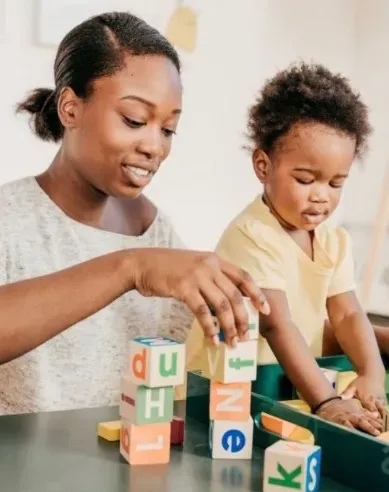
6. Building with blocks or Legos – Encourages coordinated use of both hands.
7. Pegboard activities – Hold the board with one hand, place pegs with the other.
8. Buttoning and zipping – Daily living skill with bilateral use.
9. Playdough tasks – Rolling, flattening, cutting shapes.
10. Using tongs or tweezers – Pick up small objects and transfer.
⸻
🧠 Crossing the Midline Activities
1. Figure 8 tracing in the air – With finger or ribbon stick.
2. Cross-body reaching – Touch right hand to left knee, alternate sides.
3. Cross-lateral marching – Opposite hand to opposite knee while marching.
4. Drumming on both sides – Alternate drumming on left and right surfaces.
5. Ball tapping across body – Tap a ball from left to right side of the body.
⸻
🎨 Creative Bilateral Activities
1. Painting with both hands – Finger painting or brush painting together.
2. Clothespin clipping – Both hands working alternately to open or close pins.
3. Musical instruments – Drums, tambourine, or xylophone with both hands.
4. Cooking or baking tasks – Stirring, rolling dough, or pouring with two hands.
5. Crafts – Folding paper, cutting shapes, glueing pieces together.
⸻
⸻
👐 Gross Motor Bilateral Coordination Activities
1. Animal walks – Bear walk, crab walk, frog jump, penguin walk.
2. Crawling through tunnels – Promotes coordination of opposite arm and leg.
3. Ball games – Throwing and catching with both hands, bouncing a large ball against the wall.
4. Clapping games – Rhythmic clapping to music or with a partner.
5. Jumping jacks – Start slow; practice the coordination of arms and legs together.
6. Marching to music – Add opposite arm and leg movement.
7. Swinging on a swing – Encourage pumping legs in coordination.
8. Rope jumping – Start with single jumps, then progress to continuous jumping.
9. Rolling a ball back and forth – Both hands together to roll.
10. Push–pull games – Tug of war with a rope or resistance band.
⸻
✋ Fine Motor Bilateral Coordination Activities
1. Stringing beads – One hand holds, the other threads.
2. Tearing paper – Strengthens hand muscles and coordination.
3. Cutting with scissors – One hand guides paper, the other cuts.
4. Lacing cards or shoes – Eye-hand coordination with bilateral hand use.
5. Opening and closing jars – One hand stabilizes, the other twists.
6. Building with blocks or Legos – Encourages coordinated use of both hands.
7. Pegboard activities – Hold the board with one hand, place pegs with the other.
8. Buttoning and zipping – Daily living skill with bilateral use.
9. Playdough tasks – Rolling, flattening, cutting shapes.
10. Using tongs or tweezers – Pick up small objects and transfer.
⸻
🧠 Crossing the Midline Activities
1. Figure 8 tracing in the air – With finger or ribbon stick.
2. Cross-body reaching – Touch right hand to left knee, alternate sides.
3. Cross-lateral marching – Opposite hand to opposite knee while marching.
4. Drumming on both sides – Alternate drumming on left and right surfaces.
5. Ball tapping across body – Tap a ball from left to right side of the body.
⸻
🎨 Creative Bilateral Activities
1. Painting with both hands – Finger painting or brush painting together.
2. Clothespin clipping – Both hands working alternately to open or close pins.
3. Musical instruments – Drums, tambourine, or xylophone with both hands.
4. Cooking or baking tasks – Stirring, rolling dough, or pouring with two hands.
5. Crafts – Folding paper, cutting shapes, glueing pieces together.
⸻
Keywords