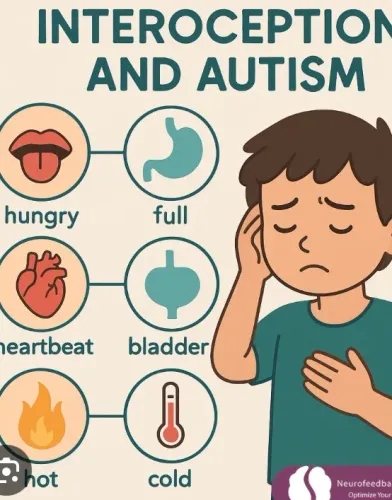
Vestibular stimming involves repetitive movements that stimulate the vestibular system, located in the inner ear and responsible for balance, spatial orientation, and head position. These behaviors, common in autism spectrum disorder, help individuals self-regulate sensory input or emotions.
##Common Examples
Vestibular stimming includes actions like:
- Rocking back and forth.
- Spinning in circles or swinging.
- Jumping, bouncing, or pacing.
- Walking on tiptoes or rolling.
##Purpose and Benefits
These movements provide sensory regulation by either calming overstimulation (for hypersensitive individuals) or increasing alertness (for those under-responsive). They also aid emotional coping, focus, and non-verbal expression during stress or excitement.
##Common Examples
Vestibular stimming includes actions like:
- Rocking back and forth.
- Spinning in circles or swinging.
- Jumping, bouncing, or pacing.
- Walking on tiptoes or rolling.
##Purpose and Benefits
These movements provide sensory regulation by either calming overstimulation (for hypersensitive individuals) or increasing alertness (for those under-responsive). They also aid emotional coping, focus, and non-verbal expression during stress or excitement.
Keywords