Two-word phrase training in speech therapy:
⸻
🔹 Goal:
To help the child expand from single-word utterances to meaningful two-word combinations.
⸻
🔹 Types of Two-Word Combinations:
1. Agent + Action: Mommy eat, Boy run
2. Action + Object: Throw ball, Eat apple
3. Attribute + Object: Big car, Red ball
4. Possessor + Object: Daddy shoe, My toy
5. Location + Object: Ball up, Cat bed
6. Demonstrative + Object: That car, This book
⸻
🔹 Therapy Techniques:
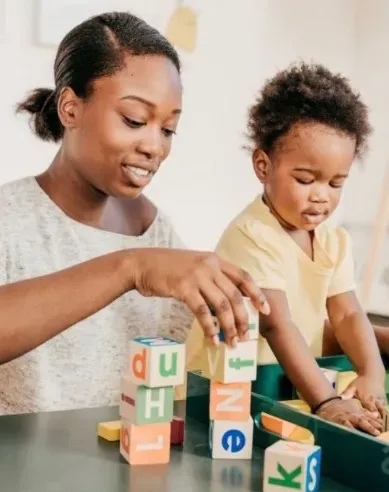
• Modeling: Therapist models two-word phrases during play.
→ “Car go!” while pushing a car.
• Expansion: When child says one word, add one more.
→ Child: “Dog.” → Therapist: “Big dog.”
• Repetition: Encourage the child to repeat the new phrase.
• Visuals & Play: Use toys, actions, or pictures to connect meaning.
• Choice prompts: “Do you want big ball or small ball?”
⸻
⸻
🔹 Goal:
To help the child expand from single-word utterances to meaningful two-word combinations.
⸻
🔹 Types of Two-Word Combinations:
1. Agent + Action: Mommy eat, Boy run
2. Action + Object: Throw ball, Eat apple
3. Attribute + Object: Big car, Red ball
4. Possessor + Object: Daddy shoe, My toy
5. Location + Object: Ball up, Cat bed
6. Demonstrative + Object: That car, This book
⸻
🔹 Therapy Techniques:
• Modeling: Therapist models two-word phrases during play.
→ “Car go!” while pushing a car.
• Expansion: When child says one word, add one more.
→ Child: “Dog.” → Therapist: “Big dog.”
• Repetition: Encourage the child to repeat the new phrase.
• Visuals & Play: Use toys, actions, or pictures to connect meaning.
• Choice prompts: “Do you want big ball or small ball?”
⸻
Keywords