— sound initiation techniques are key components in speech therapy, especially for children who have delayed speech, apraxia, autism spectrum disorder (ASD), or articulation disorders.
These techniques help a child start or initiate sounds — a crucial first step before combining them into words or phrases.
Here’s a complete, structured overview 👇
⸻
🗣️ 1. Purpose of Sound Initiation Techniques
• To help the child become aware of speech sounds.
• To stimulate oral motor movements related to specific sounds.
• To encourage spontaneous vocalization and sound imitation.
• To build the foundation for syllable, word, and sentence formation.
⸻
🔤 2. Pre-Speech Preparation (Before Sound Initiation)
🧩 Oral-Motor Warm-Up
• Blowing activities: bubbles, whistles, pinwheels.
• Tongue movements: side-to-side, up-down, in-out.
• Lip activities: blowing kisses, lip vibration (brrr), straw blowing.
• Jaw stability: chew toys or resistive chewing.
🧠 Sensory & Auditory Stimulation
• Use vibration tools, toothbrush, or tactile cues around mouth.
• Let child listen to target sounds through audio or therapist modeling.
• Engage through sound play (e.g., “mmm, ” “oo, ” “ah, ” “sss”).
⸻
🎯 3. Sound Initiation Techniques (Core Methods)
A. Auditory Stimulation -Modeling
• Therapist clearly models target sound (e.g., -m)repeatedly.
• Encourage the child to watch lips and tongue while listening.
• Use mirror feedback for imitation.
🟢 Example: “Watch me say ‘mmmm’. Now you try.”
⸻
B. Phonetic Placement Technique
• Teach the exact position of lips, tongue, and teeth for each sound.
• Use tactile or visual cues:
• “B” — lips together, pop open.
• “T” — tongue tip touches behind upper teeth.
• “K” — back of tongue lifts up.
🟢 Tools: tongue depressor, mirror, or speech cue cards.
⸻
C. Visual Cues
• Exaggerate mouth movements while producing the sound.
• Use hand cues to represent sound type:
• “S” → snake motion with hand.
• “P” → puff of air motion.
• “M” → touch lips to show closure.
🟢 Helps link visual + motor learning.
⸻
D. Tactile-Kinesthetic Cueing (PROMPT Method)
• Therapist gives gentle touch cues to face and mouth area to guide articulators.
• Especially effective for motor planning difficulties (e.g., Childhood Apraxia).
🟢 Example: Light pressure at jaw or lips while saying “pa, ” “ma, ” etc.
⸻
E. Sound Shaping (Progressive Approximation)
• Start from a simpler or nearby sound that child can say and shape it toward target.
🟢 Example:
• Child can say “t” → shape it into “s” by prolonging airflow (“tssss”).
• “b” → “p” by removing voicing.
⸻
F. Paired Association Technique
• Pair sound with meaningful word or object.
🟢 Example:
• “M” → with “Mmm milk” (show picture).
• “P” → with “Pop bubble”.
• Increases motivation and memory association.
⸻
G. Sound Play -Vocal Play
• Use funny or exaggerated sounds during play:
• Car sound: “vroom” (for -v)
• Animal sounds: “moo, ” “baa, ” “sss” (for m, b, s)
• Encourages spontaneous sound imitation naturally.
⸻
H. Cueing with Music or Rhythm
• Use songs, chants, or clapping rhythms with target sounds.
🟢 Example: Clap rhythm and say “pa-pa-pa, ” “ta-ta-ta.”
• Helps with timing and motor sequencing.
⸻
I. Visual-Auditory Feedback Tools
• Mirror practice: Child observes own articulation.
• Speech apps or videos for real-time visual feedback (like “Speech Blubs” or “Articulation Station”).
• Recording playback: Child hears their own attempt to improve awareness.
⸻
🌈 4. Techniques for Specific Sounds (Examples)
Sound Tips -Prompts
-m-Press lips together, hum, or say “Mmm yummy!”
-p-Blow air out while lips are closed — use tissue for air feedback
-b-Same as -p-but add voice — “buh”
-t-Tongue behind top teeth — say “t-t-tap”
-k-Back of tongue lifts — imitate coughing or “kuh-kuh”
-s-Teeth close, tongue behind teeth — hiss like a snake
-f-Top teeth on bottom lip — blow air “ffff” like wind
⸻
🧩 5. Motivation Techniques
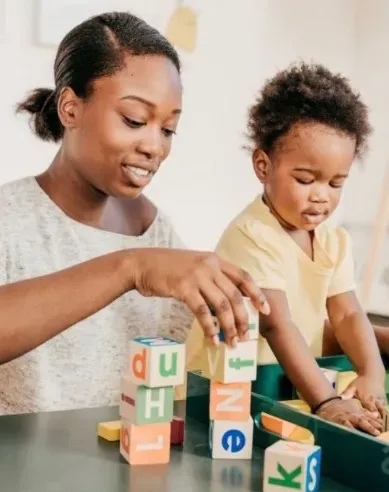
• Always use play-based, reward-based methods.
• Incorporate bubbles, toys, or sound-based games.
• Celebrate every small success (“You said it!”).
⸻
These techniques help a child start or initiate sounds — a crucial first step before combining them into words or phrases.
Here’s a complete, structured overview 👇
⸻
🗣️ 1. Purpose of Sound Initiation Techniques
• To help the child become aware of speech sounds.
• To stimulate oral motor movements related to specific sounds.
• To encourage spontaneous vocalization and sound imitation.
• To build the foundation for syllable, word, and sentence formation.
⸻
🔤 2. Pre-Speech Preparation (Before Sound Initiation)
🧩 Oral-Motor Warm-Up
• Blowing activities: bubbles, whistles, pinwheels.
• Tongue movements: side-to-side, up-down, in-out.
• Lip activities: blowing kisses, lip vibration (brrr), straw blowing.
• Jaw stability: chew toys or resistive chewing.
🧠 Sensory & Auditory Stimulation
• Use vibration tools, toothbrush, or tactile cues around mouth.
• Let child listen to target sounds through audio or therapist modeling.
• Engage through sound play (e.g., “mmm, ” “oo, ” “ah, ” “sss”).
⸻
🎯 3. Sound Initiation Techniques (Core Methods)
A. Auditory Stimulation -Modeling
• Therapist clearly models target sound (e.g., -m)repeatedly.
• Encourage the child to watch lips and tongue while listening.
• Use mirror feedback for imitation.
🟢 Example: “Watch me say ‘mmmm’. Now you try.”
⸻
B. Phonetic Placement Technique
• Teach the exact position of lips, tongue, and teeth for each sound.
• Use tactile or visual cues:
• “B” — lips together, pop open.
• “T” — tongue tip touches behind upper teeth.
• “K” — back of tongue lifts up.
🟢 Tools: tongue depressor, mirror, or speech cue cards.
⸻
C. Visual Cues
• Exaggerate mouth movements while producing the sound.
• Use hand cues to represent sound type:
• “S” → snake motion with hand.
• “P” → puff of air motion.
• “M” → touch lips to show closure.
🟢 Helps link visual + motor learning.
⸻
D. Tactile-Kinesthetic Cueing (PROMPT Method)
• Therapist gives gentle touch cues to face and mouth area to guide articulators.
• Especially effective for motor planning difficulties (e.g., Childhood Apraxia).
🟢 Example: Light pressure at jaw or lips while saying “pa, ” “ma, ” etc.
⸻
E. Sound Shaping (Progressive Approximation)
• Start from a simpler or nearby sound that child can say and shape it toward target.
🟢 Example:
• Child can say “t” → shape it into “s” by prolonging airflow (“tssss”).
• “b” → “p” by removing voicing.
⸻
F. Paired Association Technique
• Pair sound with meaningful word or object.
🟢 Example:
• “M” → with “Mmm milk” (show picture).
• “P” → with “Pop bubble”.
• Increases motivation and memory association.
⸻
G. Sound Play -Vocal Play
• Use funny or exaggerated sounds during play:
• Car sound: “vroom” (for -v)
• Animal sounds: “moo, ” “baa, ” “sss” (for m, b, s)
• Encourages spontaneous sound imitation naturally.
⸻
H. Cueing with Music or Rhythm
• Use songs, chants, or clapping rhythms with target sounds.
🟢 Example: Clap rhythm and say “pa-pa-pa, ” “ta-ta-ta.”
• Helps with timing and motor sequencing.
⸻
I. Visual-Auditory Feedback Tools
• Mirror practice: Child observes own articulation.
• Speech apps or videos for real-time visual feedback (like “Speech Blubs” or “Articulation Station”).
• Recording playback: Child hears their own attempt to improve awareness.
⸻
🌈 4. Techniques for Specific Sounds (Examples)
Sound Tips -Prompts
-m-Press lips together, hum, or say “Mmm yummy!”
-p-Blow air out while lips are closed — use tissue for air feedback
-b-Same as -p-but add voice — “buh”
-t-Tongue behind top teeth — say “t-t-tap”
-k-Back of tongue lifts — imitate coughing or “kuh-kuh”
-s-Teeth close, tongue behind teeth — hiss like a snake
-f-Top teeth on bottom lip — blow air “ffff” like wind
⸻
🧩 5. Motivation Techniques
• Always use play-based, reward-based methods.
• Incorporate bubbles, toys, or sound-based games.
• Celebrate every small success (“You said it!”).
⸻
Keywords